



 Share
Share 



State of Play’s TL;DR
- The Oct. 13 deadline is fast approaching, when Pennsylvania skill game machines become banned.
- The state Supreme Court ruled them illegal and gave lawmakers until then to create legislation regulating them.
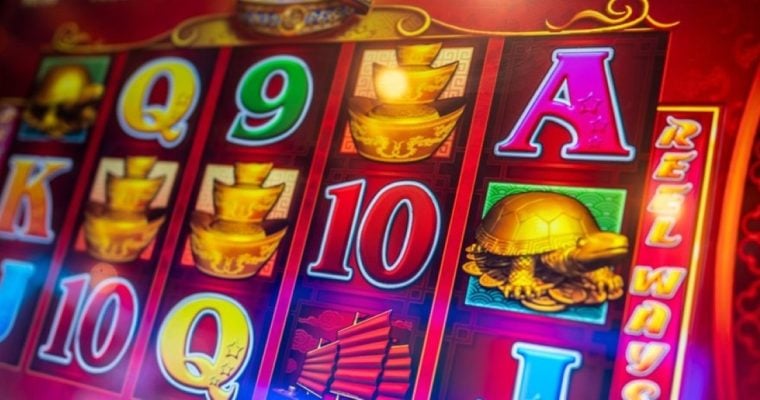
Pennsylvania law enforcement agencies are preparing for possible action after the state Supreme Court ruled that so-called skill games are illegal gambling machines. The ruling takes effect Oct. 13 unless lawmakers act first. Pennsylvania online casinos remain legal, as one of the few states to have that form of legalized online gambling.
Pennsylvania State Police said they will be “prepared to act” when the court’s 120-day stay expires, while prosecutors and the attorney general’s office indicated they are still watching to see whether the General Assembly steps in before enforcement begins.
The machines are widely distributed across the state, with officials estimating roughly 70,000 devices in play.
Police seek ‘voluntary compliance’ from businesses
State police said they are developing enforcement plans with local law enforcement and will “strongly encourage voluntary compliance with the court decision and offer a route for businesses and operators to voluntarily remove the machines.”
Berks County District Attorney John Adams said he hopes lawmakers resolve the issue before then.
“We are hoping the legislature reaches a decision.”
Officials are not yet presenting a single statewide playbook. Adams said he believes local authorities may have to manage the issue on a jurisdiction-by-jurisdiction basis.
Attorney General Dave Sunday’s office said it would “follow the law” and identified state police, through the Liquor Control Enforcement Bureau, as a leading enforcement partner.
In Allegheny County, First Assistant District Attorney Becky Spangler said the office could not speculate “until the legislature has had an opportunity to respond,” but would “enforce as appropriate the final determination.”
Dauphin County District Attorney Fran Chardo said he believes the machines appear in 10,000 different venues and that many locations are “just continuing to make money” during the grace period instead of removing them.
Based on reporting by Ford Turner for the Altoona Mirror.