


 Share
Share 



State of Play’s TL;DR
- A San Diego TV report says Californians are using prediction markets tied to sports outcomes even though traditional sports betting remains illegal.
- It has prompted fresh problem gambling warnings.
A San Diego TV report says some California sports fans are using prediction markets tied to sporting outcomes even though traditional sports betting remains illegal in the state.
The same report also underscores a familiar risk for gambling regulators and players alike: Easier access can make problem gambling harder to spot and easier to escalate.
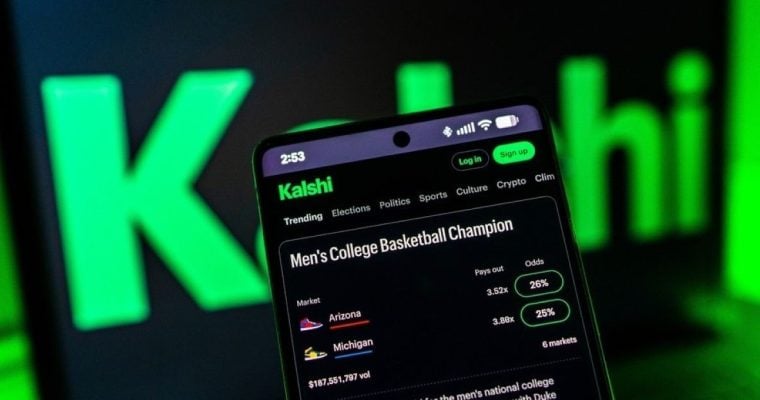
CBS 8 reported that prediction markets are offering Californians another way to put money behind teams and players. Unlike a traditional sportsbook wager, customers on these platforms buy or sell contracts based on whether they think an event will happen.
One fan interviewed by the station, Aden Nguyen, said he uses “FanDuel, Kalshi, DraftKings” and likes “to put a little bit of money on the Bears.” On Sunday, Nguyen said his play was “Colston Loveland over one touchdown.” CBS 8 pointed out that the Bears did not score a touchdown in the game.
Sports-linked contracts are reaching fans in a state without legal sports betting
That access matters because California still does not allow traditional sports betting. Some federally regulated prediction markets are nevertheless allowing Californians to trade contracts tied to sports outcomes.
For consumers, that creates a practical distinction without much difference in feel: The product may be structured as a contract rather than a standard sportsbook bet, but it still gives fans a way to stake money on what happens in a game.
For operators and regulators, the story reflects a broader tension that has become increasingly important in US gambling: Sports-event speculation is reaching customers through products outside the familiar state sportsbook model.
Therapist says constant access can worsen gambling problems
CBS 8 also included warnings from Suzanne Koch Eckenrode, a licensed marriage and family therapist who has treated gambling addiction for more than two decades. She said betting has become especially risky because “now it’s in your pocket, 24/7,” adding that problem gambling often “doesn’t show up usually until the consequences are pretty bad.”
Eckenrode said warning signs can include mood changes, frequently checking scores, and hiding or lying about how much money is being spent. She also said she has seen “more relapsing in clients that are sports bettors.”
The report advises anyone using prediction markets or other wagering products to set financial limits and stick to them. People struggling with gambling problems can call 1-800-GAMBLER.
Based on reporting by Steve Price for CBS 8 San Diego.