



 Share
Share 



Super Bowl commercials have turned into their own big event. People gather around TVs, waiting for the ads as much as the touchdowns. Over the years, a handful of these ad spots have broken out and slipped into everyday conversations, jokes and shared memories.
They gave us catchphrases, memes before memes existed, and moments that still pop up in discussions years later. This guide takes a look at some of the most popular Super Bowl commercials to date.
As NFL betting has grown, so has the way fans engage with Super Bowl Sunday, treating commercials as part of the full slate of predictions and wagers. The ads are no longer just entertainment — they’re part of the conversation.
Apple’s revolutionary “1984” spot
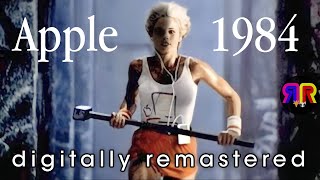
Apple kicked things off in a big way in 1984. The company spent its entire ad budget on one 60-second commercial during Super Bowl XVIII. Directed by Ridley Scott, it looked like a scene from a dark future.
Gray-faced workers sat in rows, staring at a giant screen where a Big Brother-like figure droned on. Then a young woman in bright colors ran in, swung a hammer and smashed the screen. A voiceover promised that the new Macintosh computer would change everything and prevent 1984 from becoming the nightmare George Orwell imagined.
Viewers sat stunned. The ad aired only once on national television, but newspapers and talk shows could not stop discussing it. It positioned Apple as the cool rebel against stuffy corporate giants like IBM. People still reference “1984” when talking about bold marketing or resistance to conformity.
Coca-Cola’s heartfelt jersey toss
A few years earlier, in 1980, Coca-Cola delivered something completely different. “Mean” Joe Greene, the tough Pittsburgh Steelers defender, limped down a tunnel after a rough game.
A kid approached him and offered a Coke. Greene grumbled at first, then took it and drank. As the boy turned to walk away, Greene called out, “Hey, kid, catch!” and tossed him his jersey. The kid’s face lit up with a huge grin.
That simple exchange melted viewers. The ad leaned into a straightforward but powerful idea: kindness can bridge divides. At a time when racial tensions were still very much present, that message resonated deeply.
The commercial won awards, inspired a TV movie, and still comes up in conversations about feel-good moments. Coca-Cola replayed versions of it for years because it worked so well.
The Budweiser frogs that took over the ’90s
Budweiser took a more straightforward approach during Super Bowl XXIX in 1995, featuring three animated frogs sitting on a swamp log. One croaked “Bud,” another “weis,” and the third “er.” That was it. Nothing else happened.
Yet everyone started imitating the deep, drawn-out “Bud … Weis … Er” at parties and bars. The frogs returned in follow-up ads, even facing off against lizards who wanted their spot. Kids drew them, adults bought merchandise, and the phrase stuck around long after the campaign ended.
Budweiser proved it did not need celebrities or elaborate stories — just something catchy that made people smile and repeat it.
The “Whassup?” phenomenon from Budweiser
By 2000, Budweiser struck again with “Whassup?” A group of guys watched the game, picked up their phones and greeted each other with an exaggerated “Whaaaassuuuuup?” while sticking out their tongues. It started small, then exploded. Friends answered calls that way for months.
The ad originated as a short film, but its Super Bowl debut made it massive. It captured the feel of lazy hangouts perfectly, and its influence showed up everywhere, from sitcoms to shows like The Office. People used the greeting in movies, at work and anywhere else. It became shorthand for checking in with friends.
Volkswagen’s little Darth Vader
Volkswagen arrived in 2011 with a little kid dressed as Darth Vader. He marched around the house, waving his hands and trying to use the Force on a sandwich, the dog and the washing machine — but nothing worked.
Then he stood in front of the family Passat in the driveway. His dad, watching from the kitchen, used the remote start. The car roared to life, and the kid jumped back in shock and joy.
Set to the “Imperial March,” the ad captured childhood imagination. Parents saw their own kids in it. It racked up millions of views online almost immediately, back when YouTube was still growing. Car companies chased that warm, emotional tone for years.

Snickers’ hunger fix with Betty White
Snickers flipped the script in 2010 by putting Betty White on a muddy football field during a casual pickup game. A young guy played poorly because he was hungry. White stood in for him, taking hard tackles and hearing trash talk like “Come on, Mike!” and “You’re playing like Betty White out there!”
A girlfriend on the sideline handed him a Snickers. White ate it, and the player instantly turned back into the real, energetic Mike. The tagline said it all: “You’re not you when you’re hungry.”
The humor landed because White, a legend at 88, fully committed to the physical comedy and trash talk. The campaign ran for years with other celebrities facing similar “hangry” moments, but this ad started it. People still quote the line whenever someone gets cranky from hunger, turning a candy bar slogan into everyday advice.

Why these Super Bowl ads still matter today
These commercials did more than sell products. They captured moods — rebellion, kindness, silliness, friendship, wonder and hunger — and handed them to the world. Companies now pay millions for those 30 seconds because they know one good idea can last forever.
Friends still yell “Whassup?” as a joke. Kids dress as tiny Darth Vader for Halloween. Someone offers a Coke, and another person smiles, thinking of that jersey toss.
The Super Bowl game changes every year, but these commercials stay with us, popping up in conversations and reminding us how a short clip can feel like part of everyday life.