


 Share
Share 



The Super Bowl is one of the most exciting and active nights not only for football fans but for people across America. It’s a time for family, friends and even strangers to come together to watch the game and indulge in various activities such as eating and socializing.
This year’s Super Bowl — Super Bowl LX on Sunday, Feb. 8, 2026 — will feature the Seattle Seahawks and New England Patriots at Levi’s Stadium in Santa Clara, California. Kickoff is set for 6:30 p.m. ET, with global audiences tuning in on NBC, Telemundo, Peacock and the NFL app. Bad Bunny will headline the halftime show, bringing another unforgettable performance to football’s biggest night.
Over its 60-year history, the Super Bowl has inspired curious traditions that don’t always make sense — but that everyone seems to love nonetheless. So, what are these Super Bowl traditions?
Cooking like you’re hosting a small wedding
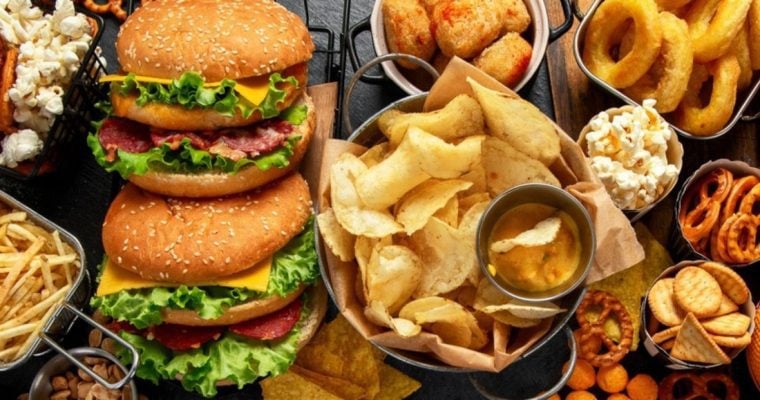
Did you know that Super Bowl Sunday is the second-largest food consumption day in America? It comes only second to Thanksgiving. That shouldn’t be surprising, though, considering that most people cook like they’re hosting a small wedding.
It’s not just the quantity of food but also the variety — wings, brisket, pizza, chili, dips and much more. Some people order takeout, while others spend days preparing dishes for the big day. Overall, while many people certainly overindulge, the tradition still doesn’t make much sense, given that the main activity is watching a game. And a lot of food still goes to waste.
Superstitions that definitely don’t affect the game
Many fans — and even some players — have superstitions they think affect the outcome. Perhaps the most widespread is wearing a “lucky jersey” or other specific clothing to bring your team good fortune. For example, some pro players wear the same undershirt under their uniform every game.
Some people even believe sitting in a specific spot during the game can impact the result. Superstitions come in many forms, some more bizarre than others. But they make no sense because none have any real effect on the outcome.
Screaming at the TV like the players can hear you
Many fans get so immersed that they shout at the TV, thinking they can influence the action. You’ll often hear fans yelling things like, “Throw the ball!” Eventually, many become frustrated and start asking, “What are you doing?” Screaming at the TV may be a subconscious act, but it still doesn’t make sense — the players can’t see or hear you, and even fans in the stadium are often drowned out by crowd noise.

Commercials treated like sacred texts
The Super Bowl isn’t just the biggest night of football — it’s one of the most significant advertising events of the year. Brands spend millions for a 30-second Super Bowl spot, and commercials have evolved into a cultural tradition that often rivals the game itself in attention and buzz.
Many Super Bowl commercials have become pop-culture touchstones, producing catchphrases and iconic moments that still get referenced years later — from Apple’s groundbreaking “1984” ad to Budweiser’s frogs and the instantly recognizable “Whassup?” campaign. These ads don’t just entertain; they shape how people remember entire Super Bowl eras.
That attention also delivers massive financial returns. Super Bowl ads have generated billions in return on investment over the years, with some brands earning several dollars back for every dollar spent. It’s a reminder that while fans may joke about watching commercials “like sacred texts,” advertisers have very serious reasons for showing up on football’s biggest sta
Dressing like it’s a theme party no one agreed on
Someone unfamiliar with the Super Bowl might mistake most gatherings for costume parties. People wear elaborate outfits and team colors. Jerseys over button-downs are common, and some fans paint their faces. While dressing up is meant to support one’s team, it makes as much sense as yelling at the TV. Still, it does help identify like-minded fans.
The halftime show discourse cycle
The halftime show is meant to entertain during the break, but the conversation around it has become its own ritual. First comes speculation about the performer’s set; then real-time reactions and social-media debate; followed by morning-after reassessments and, months later, nostalgia. With Bad Bunny set to perform in 2026, the halftime show has already sparked buzz in both music and NFL betting circles.

Somehow, the chaos is the tradition
Sure, these and other Super Bowl traditions don’t always make much sense. However, they add fun and flavor to the game and are part of what makes Super Bowl Sunday so memorable.
Those traditions also reflect how differently fans experience Super Bowl Sunday, from food-focused hosts and commercial critics to casual viewers who tune in just for the spectacle — a range of viewing styles for Super Bowl fan personalities.
Whether you’re there for the football, the food or everything in between, these rituals are why the Super Bowl remains a uniquely American event.