
 Share
Share 



State of Play’s TL;DR
- Wisconsin’s attorney general has filed suit against Kalshi, Robinhood, Coinbase, Polymarket, Crypto.com, and other platforms, alleging they facilitated illegal sports betting in the state.
- This move lands weeks after Gov. Tony Evers signed a law legalizing online sports betting, but limited to tribal operators.
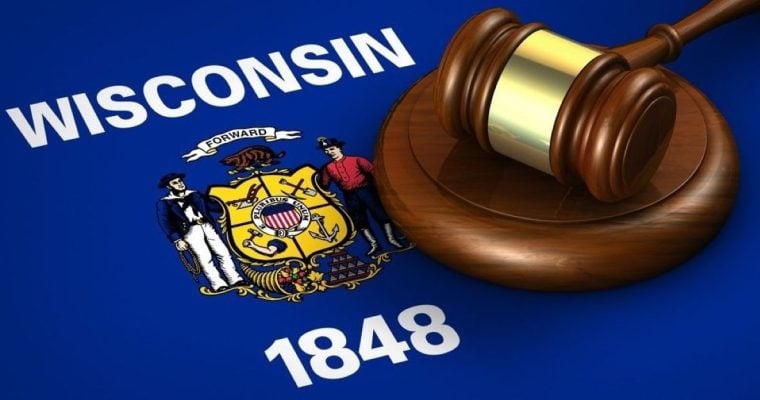
Wisconsin Attorney General Josh Kaul has announced a lawsuit against multiple prediction market platforms, including Kalshi, Robinhood, Coinbase, Polymarket, and Crypto.com, accusing them of facilitating illegal sports betting in Wisconsin.
Kaul said the companies “flout” state law and that the allegations – chiefly that the platforms collect a fee for every bet placed – would stand regardless of the new tribal-only sports betting law signed by Gov. Tony Evers.
The AG held a news conference to unveil the filing and emphasized a recent surge in this type of activity.
Company responses were swift. Coinbase’s chief legal officer Paul Grewal invoked federal oversight by the Commodity Futures Trading Commission (CFTC) and criticized state-level enforcement. Robinhood said its event contracts are CFTC-regulated through Robinhood Derivatives, LLC and will defend itself. Kalshi described itself as a regulated, nationwide exchange subject to federal jurisdiction.
Decision could be months or years away
If Wisconsin wins or secures injunctive relief, users in the state could see restricted access to the named platforms, frozen accounts, or altered product availability while litigation proceeds.
Operators named in the suit face potential civil penalties, legal costs, and reputational risk – and could pause marketing or new product launches in Wisconsin to limit exposure.
The core legal conflict pits state gambling statutes against platforms’ claims of exclusive federal regulation under the CFTC.
Expect rapid procedural skirmishes. Defendants will likely file motions to dismiss or move the case to federal court on statutory pre-emption and CFTC-jurisdiction grounds. The timeline could stretch months to years, with appeals possible if courts split on whether state gambling law can reach these products.
Based on reporting by Matt Smith for WISN12.