



 Share
Share 



State of Play’s TL;DR
- California could be the battleground as some question the legality of trading card repacks and livestream breaks.
- A qui tam lawsuit could be the case that gets authorities’ attention.
Trading card repacks and livestream box breaks are drawing growing legal scrutiny in California, where lottery-law, consumer-protection and platform-liability issues are increasingly overlapping.
The key takeaway is simple: Products built around chance, variable outcomes, and promotional “chase” language are getting a harder look.
A new legal analysis from Womble Bond Dickinson says repack products have expanded quickly across hobby shops, livestream platforms, online marketplaces, and dedicated repack sellers. But that growth is now meeting challenges tied to gambling and lottery prohibitions, advertising claims, and state consumer-protection rules.
California cases and statutes are driving the current pressure
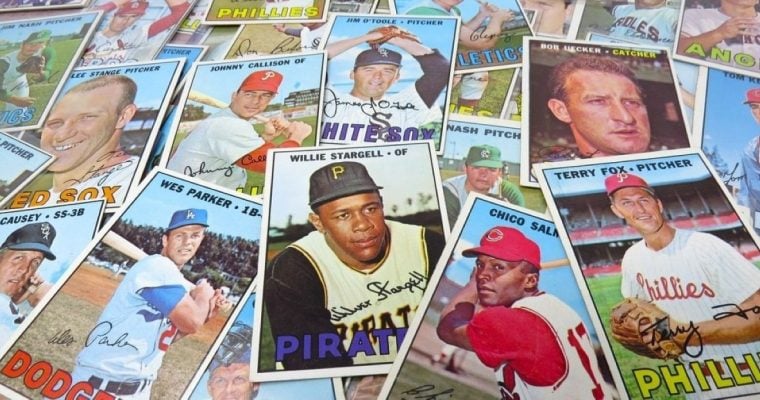
California Penal Code Section 319.3 defines a sports card “grab bag” as a sealed package containing sports trading cards removed from the manufacturer’s original packaging. It also references Section 319, California’s general lottery definition.
Recent arbitration demands filed against Whatnot allege that randomized sports card box breaks and repacks violate California’s ban on illegal lotteries. One claimant described the structure:
“You’re not buying cards. You’re buying a spot that gives you a chance to get, after a wheel spin or a dice roll, a team, not necessarily the team you even want. So, that’s where the chance comes in.”
The article also says a qui tam lawsuit under the California False Claims Act against Whatnot and Fanatics Live was recently unsealed. A qui tam lawsuit is a whistleblower case brought by a private citizen on behalf of a government.
Whatnot denied the allegations referenced in the analysis, saying: “[g]ambling isn’t allowed on Whatnot, and we strictly enforce this policy.”
Why repack operators and platforms may face broader exposure
The legal analysis says repack sellers and marketplaces may face scrutiny not just under gambling or lottery theories but also under unfair-competition and consumer-protection laws. The cited risk areas include inflated valuations, incomplete odds disclosures and misrepresentations about the availability of chase cards.
The issue is a reminder that chance-based product mechanics can draw attention even outside traditional betting markets, especially when pricing, disclosure, and promotional language are under dispute.
Operators should focus on complete and accurate checklist and odds disclosures, fair pricing, and review of state gambling and lottery statutes. The article also advises companies to monitor the ongoing litigation and related state-law developments closely.
The article points out that lottery and gaming laws vary significantly by jurisdiction. That means California’s approach may be influential but not automatically decisive elsewhere in the US.
Based on reporting by Womble Bond Dickinson.