
 Share
Share 



Illinois’ horse racing industry is facing mounting financial pressure after lawmakers failed to advance a key relief measure before the General Assembly adjourned for the summer.
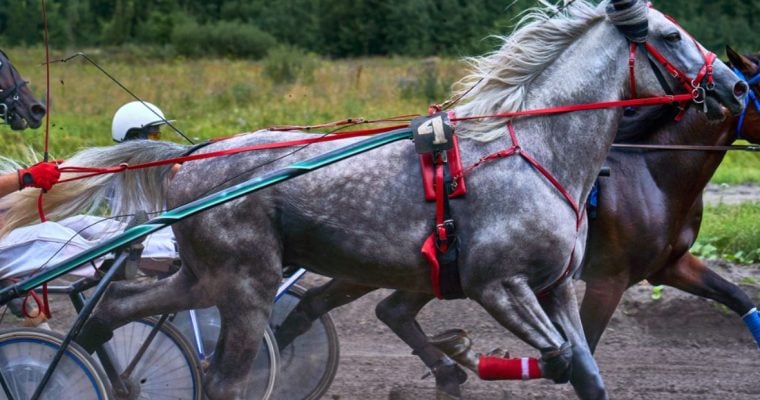
The setback comes as Hawthorne Race Course, one of the last remaining racetracks in Illinois, continues through Chapter 11 bankruptcy proceedings and searches for a buyer amid fears the state could lose commercial harness racing in the Chicago area altogether.
Hawthorne bankruptcy deepens industry concerns
Hawthorne Race Course in Stickney filed for Chapter 11 bankruptcy protection in February 2026 after struggling to secure financing for a long-delayed casino development project. According to CBS Chicago, track officials said the filing was intended to preserve operations, protect jobs and attract new investors. The bankruptcy case remains active in federal court as of June 2026.
The Carey family has operated Hawthorne for more than a century, but the restructuring process now includes efforts to market the property to potential buyers or development groups. According to Casino City Times, qualified bids for the property were scheduled to close in late June.
The financial strain has already affected racing operations. Earlier this year, the Illinois Racing Board indefinitely suspended Hawthorne’s harness racing license after missed race dates and concerns over the track’s financial stability, according to the Chicago Sun-Times.
Illinois’ racing industry has steadily contracted over the past decade. Hawthorne and Fairmount Park in Collinsville are now the state’s primary active racetracks following the closure of Arlington International Racecourse in 2021.
Supporters say HB 5469 could stabilize Illinois horse racing
At the center of the legislative debate is House Bill 5469, a proposal designed to ease financial burdens created by Illinois’ 2019 gambling expansion law.
Supporters argue the original racino framework imposed fee structures that struggling racetracks have been unable to sustain. The bill would reduce certain gaming position fees for Cook County racetrack casinos from $30,000 to $17,500 per position and extend repayment schedules from six years to 12 years.
Supporters of the measure argue that weakening Illinois’ horse racing industry could also reduce revenue tied to parimutuel betting, which remains a core part of the sport’s business model.
State Rep. Bob Rita, a Blue Island Democrat and co-sponsor of the bill alongside Rep. Lisa Hernandez, described the measure as an attempt to “save an industry.”
The Illinois Senate previously approved a similar measure by a 49-8 vote, but the House did not bring the legislation forward before adjourning June 18.
Industry advocates warn delays could accelerate the migration of owners, trainers and breeders to neighboring states with larger purses and more stable racing programs.
Trainer Tim Carey told NPR Illinois that horsemen are already relocating elsewhere in search of better opportunities, raising concerns about the long-term viability of racing in Illinois.
Economic impact extends beyond the track
Industry leaders say the fallout extends beyond racetracks themselves. In addition to live racing revenue, the industry also relies heavily on parimutuel betting activity tied to thoroughbred and harness racing events.
Horse racing supports a broader network that includes veterinarians, farriers, feed suppliers, truck drivers, stable workers and breeding operations throughout Illinois. Supporters of HB 5469 argue that continued contraction could damage rural agricultural economies and eliminate additional jobs tied to the sport.
Rescue bill unlikely after summer adjournment
With lawmakers out for the summer, HB 5469 now faces an uncertain timeline. Unless lawmakers return for a special session, the measure may need to be reconsidered during the next legislative session.
Meanwhile, Hawthorne’s bankruptcy proceedings continue.
If the property is ultimately sold to a real estate developer rather than a racing operator, the Chicago region could lose its last major harness racing venue, potentially ending commercial harness racing in northern Illinois.