


 Share
Share 



State of Play’s TL;DR
- Massachusetts regulators want an independent audit of casino marketing and outreach in Asian communities, focusing on whether those tactics are predatory.
- The Massachusetts Gaming Commission posted a request for response on July 1 seeking the study.
The Massachusetts Gaming Commission is seeking an audit of gambling among the state’s Asian communities to assess whether casino marketing and outreach are predatory.
The effort follows earlier reporting that New England casinos heavily targeted Asian communities through advertising, shuttle buses, postcards, ads in Asian-language newspapers, billboards, and booths at cultural festivals.
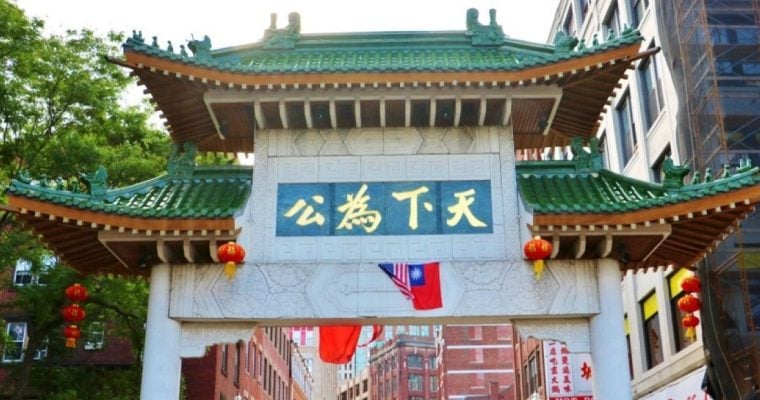
The Boston Globe previously reported that Encore Boston Harbor, Mohegan Sun, Foxwoods Resort Casino, and Bally’s Twin River targeted people of Asian descent across the region. One example cited was Encore shuttle buses arriving 52 times a day near the Chinatown gateway. Another was a 60-seat Bally’s Twin River bus traveling through Chinatown and several Greater Boston areas with high percentages of Asian residents.
Commission has limited power
The commission’s interest is not entirely new. A 2021 report prepared for and funded by the commission had already recommended an equity audit. Ben Hires of the Boston Chinatown Neighborhood Center welcomed the latest step.
“Better late than never, I guess you could say. … Let’s get it out on the table. … A report versus an opinion is obviously very powerful.”
The audit could help define where regulators draw the line between standard casino promotion and marketing that may unfairly target a specific community.
The Globe also highlights the practical limits of oversight. The Massachusetts Gaming Commission does not have jurisdiction over operators licensed in other states, and illegal gambling in Boston’s Chinatown and other Asian communities is outside the commission’s scope. That means even if the audit finds troubling patterns, the regulator’s direct options may be limited in some cases.
For operators, the issue touches core advertising rules. Massachusetts already restricts in-state casino operators from advertising false or misleading information, advertising directly to minors, and advertising to people who have self-excluded.
The reporting cited another notable data point: More than 80% of people sued by Encore since its 2019 opening for gambling debts are people of Asian descent. That statistic is likely to keep attention on how marketing, access, and gambling harm intersect.
Based on reporting by Danny McDonald and Chris Serres for the Boston Globe.