


 Share
Share 



State of Play’s TL;DR
- A Pennsylvania Lottery scratch-off based on The Game of Life is facing criticism from gambling industry observers.
- They say using a board game marketed to children to sell lottery products crosses a line.
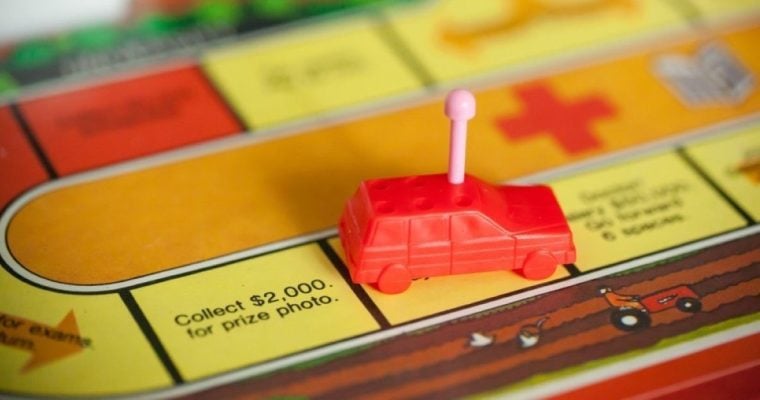
A Pennsylvania Lottery scratch-off based on The Game of Life is drawing criticism over whether a board game marketed to children should be used to promote gambling.
The debate adds to a broader conversation about responsible gambling standards and where operators and lotteries should draw the line on branding.
A new analysis from The Closing Line questioned the Pennsylvania Lottery’s use of The Game of Life branding on a scratch-off ticket with a top prize of $1 million. The piece frames the issue as a concern rather than a broader objection to lottery products themselves.
Pennsylvania Lottery game raises child-appeal concerns
A Broad & Liberty blog post stated:
“The Game of Life, the family board game marketed to children 8 and up, has been used by the Pennsylvania Lottery on billboards, in commercials, and in grocery stores advertising a scratch-off with the top prize of $1 million.”
The Closing Line argued that using children’s game intellectual property to sell gambling products is inappropriate. They wrote that they were not objecting on purely moralistic grounds, saying, “I don’t think I am a huge prude.” They also added, “I would think Hasbro shouldn’t want to be associated with it either.”
The article distinguishes The Game of Life from other board games that may feel less directly child-coded, while noting that titles such as Candy Land or Chutes and Ladders would likely raise similar concerns.
Part of a wider gambling and marketing debate
Beyond the Pennsylvania Lottery example, the same piece also included a gambling news roundup touching on congressional scrutiny of VIP programs and regulatory developments in Tennessee, Ontario, Maine, Brazil, and elsewhere.
That broader context matters because the Pennsylvania story fits into a larger industry discussion about how gambling products are marketed and what types of branding may appeal to minors. The article also notes ongoing concerns about children’s exposure to gambling through social media, peer groups, and other channels.
The Pennsylvania case stands out as a lottery-branding issue with responsible gambling implications. While the source does not indicate any formal regulatory action tied to the scratch-off, it highlights how marketing choices themselves can become a flashpoint in the wider debate over consumer protection standards in gambling.
Based on reporting by Dustin Gouker and Eric Ramsey for The Closing Line.