


 Share
Share 



State of Play’s TL;DR
- An analyst says Caesars should demand a bid above $35 per share if takeover talks proceed.
- With reported interest from Tilman Fertitta and Carl Icahn at roughly $33–$34 per share, a higher premium could affect valuations and local market dynamics.
Speculation has picked up around a potential acquisition of Caesars Entertainment, with reports linking billionaire Tilman Fertitta and investor Carl Icahn to possible offers.
Market chatter puts Fertitta’s potential bid near $34 per share and Icahn’s around $33, but Morningstar research and analyst Dan Wasiolek argue those figures underprice Caesars.
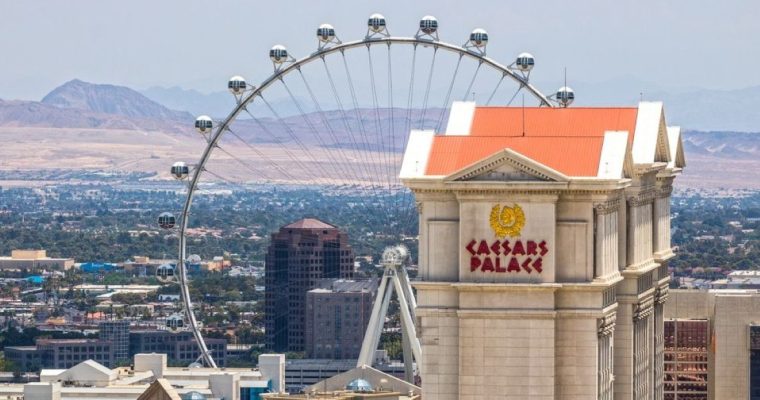
Wasiolek says buyers should be willing to pay more than $35 per share, roughly a 10% premium above Morningstar’s estimated fair value. The analyst points to Caesars’ scale – roughly 50 casino resorts, an estimated 14% share of the US gaming market, and strong Las Vegas Strip performance – noting the company could generate about $700 million in free cash flow in 2025.
Comparable industry multiples, such as those for Penn Entertainment, support a higher valuation. Neither Caesars nor Fertitta has confirmed talks.
Benefits to bettors could come if company is sold
A takeover, and particularly a higher-priced deal, would have practical effects for US players and market participants.
For shareholders, a premium above $35 could lift Caesars’ stock and create immediate value. For bettors and loyalty members, ownership changes can lead to adjustments in promotions, rewards programs, and sportsbook integration, though any immediate changes are unlikely until a deal closes.
Regulators could force divestitures in regions where ownership overlaps – examples cited include potential concentration in Atlantic City or Nevada markets like Lake Tahoe and Laughlin – which would reshape local competition and could create new operators or shift market share.
Operators should expect heightened antitrust scrutiny, especially if Fertitta (owner of Golden Nugget properties) pursues the deal. In short, short-term disruption for customers is likely limited, but mid- to long-term realignment in local markets and promotional offers is possible if assets must be sold or restructured.
Based on reporting by Silvia Pavlof for Gambling News.