





 Share



State of Play’s TL;DR
- Sen. Ted Cruz says he will introduce legislation after the midterms that would require state or tribal authorization for gambling-related event contracts on prediction markets.
- The move could significantly affect Texas and other states that ban sports betting.
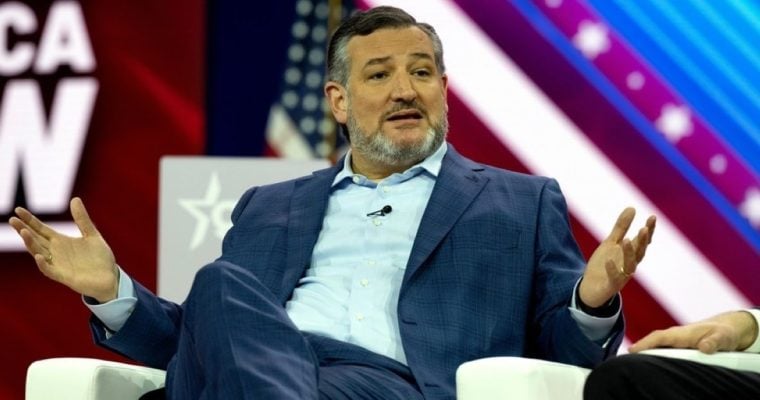
US Sen. Ted Cruz says he plans to introduce a bill after the Nov. 3 midterm elections that would require state or tribal authorization before prediction markets can offer gambling-related event contracts, including sports.
If enacted, the measure could be especially significant in Texas, where sports betting and casinos remain illegal.
Cruz’s proposal lands in the middle of a growing legal fight over whether federally regulated prediction markets can offer sports-related contracts nationwide, even in states that do not allow traditional sportsbooks.
Cruz aims to shift control of sports contracts
According to SBC Americas, Cruz plans to file legislation that would bar prediction markets from offering event contracts tied to gambling activities unless a state or tribal government authorizes them. The proposal would effectively change the default framework by giving states and tribes control over whether those products can be offered.
Cruz has previously described sports contracts as, “for all intents and purposes, sports bets.”
At a May 20 Senate Commerce subcommittee hearing, Cruz said:
“There is serious disagreement about whether the CFTC can unilaterally allow prediction markets to offer sports events contracts pursuant to the Commodity Exchange Act.”
The proposal could directly affect Kalshi and other CFTC-registered exchanges that currently offer sports contracts under a federal framework.
Why Texas is central to the debate
Texas stands out because both sports betting and casinos are illegal in the state. Lt. Gov. Dan Patrick has resisted sports betting legalization and has also pushed to address prediction market gambling.
The Texas House passed a sports betting bill in 2023, but the Senate did not take it up. Legalization efforts again failed in 2025.
Texas is also considered an important market in the broader prediction market debate. Eilers & Krejcik Gaming estimated that Texas and California accounted for 43% of Kalshi’s volume, while the 19 states without legal online sports betting delivered 69%.
The issue has already drawn attention in Austin. In September, the Texas Senate State Affairs Committee heard testimony from Kalshi Head of Enforcement Robert DeNault and American Gaming Association Vice President Tres York.
Courts are split as Supreme Court pressure builds
The legislation comes as federal appeals courts have reached different conclusions on whether federal commodities law overrides state gambling law for sports contracts.
The Third Circuit sided with Kalshi in April in a case involving New Jersey, saying the CFTC likely has exclusive jurisdiction over its sports contracts. But the Ninth Circuit ruled in August that Kalshi likely could not show the Commodity Exchange Act pre-empts Nevada gaming law as applied to sports contracts. A Sixth Circuit panel said in September that Kalshi’s sports contracts are not swaps and that federal law would not pre-empt Ohio and Tennessee gambling laws even if they were. The Tenth Circuit also declined last month to block enforcement.
Cruz summed up the uncertainty in May:
“Many simply see prediction markets as a workaround to state gambling laws. The courts are split. Ultimately, unless Congress acts, the Supreme Court may have to decide the issue.”
What comes next is still unsettled. Cruz has said he intends to introduce the bill after the midterms, while the Supreme Court is also being asked to weigh related questions tied to the widening circuit split.
Based on reporting by Pat Evans for SBC Americas.


