
 Share
Share 



State of Play’s TL;DR
- Maryland’s new enforcement law targets not just at illegal operators but also companies that assist them.
- The effort aims to make offshore gambling platforms tougher to access.
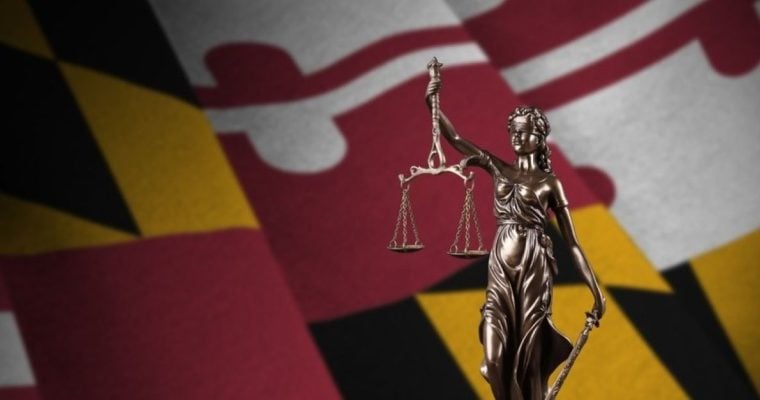
Maryland is moving to tighten the screws on offshore online gambling with a new enforcement framework aimed not just at illegal operators but also at the domestic companies that help them reach players and process payments.
The measure signals a broader state-level push to make offshore gambling harder to access and monetize.
The state has enacted the Maryland Illegal Online Gambling Enforcement Act, according to reporting by The Maryland Wire. It creates a new route for the Office of the Attorney General to go after illegal online gambling operations and the U.S.-based intermediaries tied to them.
The measure advanced through HB 1226 and cross-filed SB 652, with an effective date of Oct. 1.
Law expands pressure beyond offshore operators
The law allows the attorney general’s office to issue administrative cease-and-desist orders not only to illegal gambling operators but also to domestic “middleware” providers that facilitate access to those sites.
According to The Maryland Wire, that can include:
- Web hosts
- Registrars
- Payment processors
- Banks
- Credit card networks
- Advertising platforms
Under the law, Maryland can formally notify payment processors, card networks, and banks to block transactions connected to flagged accounts. Violations are described as falling under the Maryland Consumer Protection Act as unfair or deceptive trade practices.
The attorney general can use civil and criminal tools tied to enforcement, including efforts to freeze assets, claw back illicit profits, and seek ex parte injunctions.
Industry and financial stakeholders backed the effort
The Maryland Wire says the crackdown drew support from regulated operators and the Sports Betting Alliance. FanDuel, DraftKings and BetMGM are among the operators named in the report, alongside Maryland casino brands including MGM National Harbor, Live! Casino, and Horseshoe.
The Maryland Bankers Association reportedly engaged on implementation details, particularly around liability and the mechanics of blocking payment transactions.
Offshore jurisdictions identified in the piece include Curaçao, Costa Rica, and Antigua.
Maryland has a legal sports betting industry and six retail casinos/racinos.
Based on reporting by J. Barry O’Connell for The Maryland Wire.