


 Share
Share 



The New York State Gaming Commission is warning residents about a Mega Millions impostor scam targeting people across multiple states. The agency is urging lottery players to stay vigilant after receiving reports of scammers posing as Mega Millions officials and attempting to steal money and personal information.
Scam uses fake lottery officials and prize claims
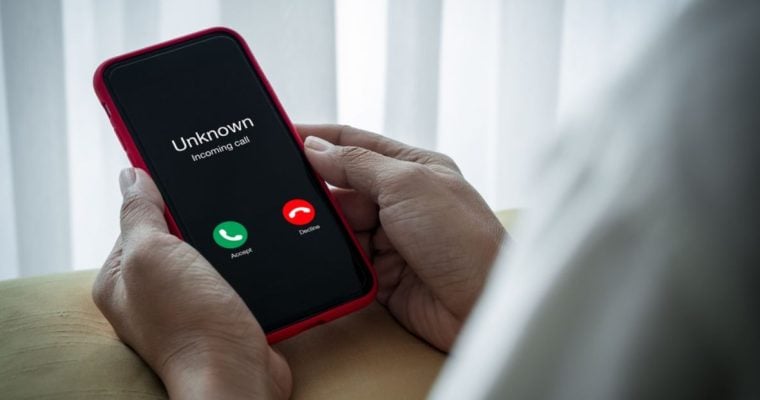
According to the Commission, victims have received phone calls from someone claiming to be a high-ranking Mega Millions official based in New York.
The caller falsely claims the victim has won $18.6 million and two Mercedes-Benz vehicles before demanding payment for taxes or other fees so the prizes can supposedly be delivered before the check or vehicle warranties expire.
Real lottery winners are never contacted first
The Commission stressed that legitimate lotteries do not contact winners out of the blue to announce prizes.
In New York, lottery officials generally do not know who has won until a winning ticket is presented for payment. The only exception is certain New York Lottery Subscription prizes, which are handled through the Lottery’s subscription program.
Consumers also cannot win a lottery prize without first purchasing a valid ticket. Tickets must be bought through a licensed New York Lottery retailer, a licensed online lottery courier service, or a New York Lottery Subscription.
The Commission also warned that scammers sometimes create fake lottery websites, fraudulent online drawings and counterfeit tickets using official lottery branding to convince victims that they have won.
The bottom line is simple: if someone unexpectedly contacts you claiming you’ve won a lottery prize, it’s almost certainly a scam.
Four ways to protect yourself from lottery scams
According to news by WGRZ, the New York State Gaming Commission recommends the following steps to protect yourself:
- Never send money for “processing fees” before receiving a prize. Legitimate lotteries do not charge processing fees.
- Never pay “claiming fees” after receiving a check for an alleged lottery prize. The check is fraudulent and will likely bounce.
- Never pay supposed lottery taxes with Green Dot MoneyPak cards, gift cards or similar payment methods. Government agencies do not collect taxes this way.
- Never share personal or financial information, including your Social Security number, bank account information, credit card numbers or date of birth, with someone claiming you’ve won a lottery prize. While some information is required to claim a legitimate prize, it is only provided after a winner presents a valid ticket.
Lottery excitement gives scammers new opportunities
Lottery scams often become more common when Mega Millions jackpots climb to headline-grabbing amounts, as scammers exploit the increased public interest.
The Commission says the two most important rules are to remember that the lottery generally does not know who has won until a winning ticket is claimed, and legitimate lotteries never require winners to pay fees upfront to receive a prize.
Anyone receiving an unsolicited call, text, email or letter claiming they have won should treat it as a scam and avoid sending money or sharing personal information.