





 Share
Share 



State of Play’s TL;DR
- A King County judge has granted a preliminary injunction against Kalshi, signaling that state gambling laws may still apply even when a platform argues federal commodities rules should control.
- The ruling adds to a growing list of state-level actions against Kalshi and sharpens a national fight over whether prediction markets can offer sports, political, election, and similar event contracts without running afoul of gambling laws.
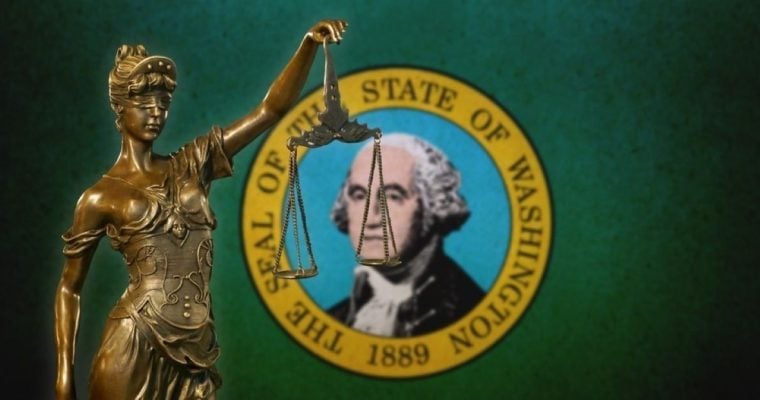
Washington has handed Kalshi another courtroom setback. King County Superior Court Judge John McHale granted Washington’s request for a preliminary injunction, finding the state is likely to succeed on claims that the prediction market company’s event contracts violate Washington gambling and consumer protection laws.
Washington Attorney General Nick Brown filed the lawsuit on March 27, alleging Kalshi offered unlicensed online gambling to Washington residents through sports, political, election, and other markets. The state is seeking restitution, disgorgement, civil penalties, and an accounting of money collected from and paid to Washington consumers.
In a 14-page order, McHale rejected Kalshi’s central defense that the Commodity Exchange Act overrides state gambling enforcement. McHale wrote:
“The Commodity Exchange Act does not pre-empt Washington State gambling law. … Congress did not intend to supersede or limit States in regulating gambling.”
The judge also rejected Kalshi’s impartial access argument.
“The impartial access rule does not require Kalshi to violate state law.”
Kalshi could have to pay back money collected in the state
This is another sign that states are not waiting for a single federal answer on prediction markets. Washington is now the fourth state to secure court-ordered restrictions against Kalshi, joining Massachusetts, Nevada, and Michigan.
The practical takeaway is straightforward: a platform’s federal regulatory arguments may not be enough to stop state gambling enforcement, at least at this stage. McHale said Kalshi can comply with both federal and state requirements, undercutting the company’s position that the Commodity Futures Trading Commission’s (CFTC) exclusive jurisdiction blocks state action.
The order also required Kalshi to preserve records tied to Washington consumers, which could matter as the case moves into the remedies phase. Washington is not just asking the court to stop the conduct; it is also pursuing financial relief tied to money collected from and paid to state users.
Kalshi has continued to argue that states “don’t have jurisdiction to regulate prediction markets,” according to spokesperson Jacki McGavick in a statement posted on X. But in Washington, that argument did not carry the day.
Final terms expected on Aug. 5
The injunction is not fully finished yet. The parties must submit agreed or competing proposed terms by noon on Aug. 3, and the court said it intends to issue another order by Aug. 5 laying out the specific injunction terms.
That next order should answer the biggest open question: exactly what restrictions Kalshi will face in Washington. More broadly, the case is another marker in a widening state-by-state battle over prediction markets, online gambling enforcement, and where federal commodities oversight ends and state gambling authority begins.
Based on reporting by Mike Breen for DeFi Rate.


