



 Share
Share 



State of Play’s TL;DR
- The 4th Circuit signaled skepticism at Kalshi’s argument that federal law pre-empts state regulation of its sports-related contracts.
- This dispute could reshape whether event-based markets fall under the Commodity Futures Trading Commission or state gambling regimes.
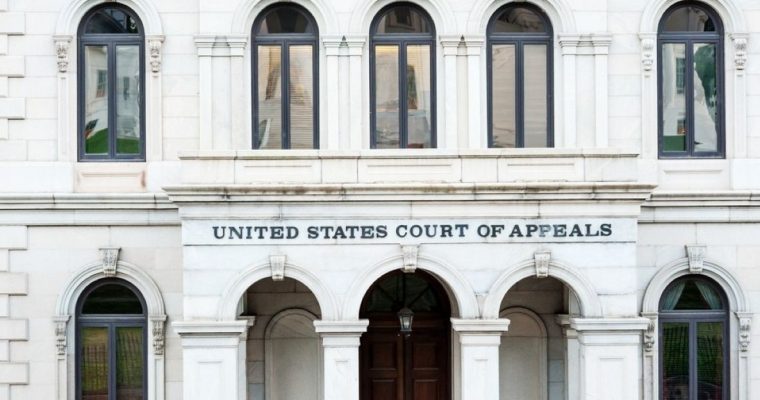
A three-judge panel of the US Court of Appeals for the Fourth Circuit pressed Kalshi Inc. during oral argument over whether its prediction market contracts are federally regulated swaps or state-regulated sports wagering.
Judge Stephanie Thacker cut to the point:
“This just seems like gambling.”
Kalshi’s counsel argued that federal commodities law bars Maryland – and by extension other states – from regulating Kalshi’s designated contract market for sports outcomes. The company positions its binary-style event contracts under the jurisdiction of the Commodity Futures Trading Commission (CFTC). State attorneys and regulators contend the products function as sports betting and fall within state authority.
The panel’s questioning underscores a legal clash between federal derivatives law and long-standing state control of wagering.
Ruling could be appealed to Supreme Court
A decision favoring Kalshi could limit states’ ability to police and tax event-based markets, potentially creating a nationally accessible pathway for novel betting-style products under CFTC oversight.
That may mean broader market access for players and new product varieties, but it could also change the consumer protection and licensing regime players expect from state-regulated sportsbooks.
Companies could gain a route to operate without securing state gaming licenses, while states could see revenue and enforcement power erode.
Conversely, a ruling that upholds state authority would reinforce the current patchwork system, keeping products tied to state-by-state licensing, compliance, and tax regimes – important for player protections and responsible gambling.
The 4th Circuit will issue a written opinion after considering the arguments. Any major ruling could be appealed to the Supreme Court given the broader federal-state stakes.
Based on reporting by Sulaiman Abdur-Rahman for Law.com.