


 Share
Share 



Super Bowl LX, held this February at Levi’s Stadium in Santa Clara, California, is expected to shatter viewership records yet again. As the NFL’s 60th championship game approaches, the spectacle has evolved into a dual-screen experience: fans are no longer just watching the action on the field, they are also monitoring live odds on sportsbooks and reacting to the high-stakes marketing wars on social media.
Brands are reportedly paying $7.5 million for 30-second spots that reach more than 100 million viewers. While these companies hope to spark interest and drive sales, the massive price tag means there is a very thin line between a legendary success and a costly failure. Looking back at how Super Bowl ads became pop culture icons, it is clear that while some hit the mark, others fall flat.
The gold standard: Why some ads never fade
The most successful ads often sell an idea first and a product second. These campaigns trust the audience’s intelligence and tap into universal emotions or humor.
- Apple (1984): Apple’s “1984” commercial is the gold standard. Aired only once during the Super Bowl, the ad relied on a bold, cinematic narrative rather than a technical walkthrough. Its confidence made it powerful, cementing Apple’s image as a disruptor.
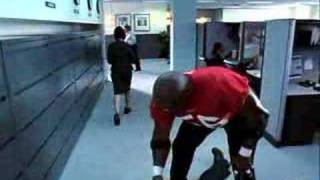
- Reebok (2003): Reebok delivered explosive laughs with “Terry Tate: Office Linebacker.” Actor Lester Speight portrayed an unstoppable linebacker hired to enforce office productivity by tackling lazy workers. The over-the-top chaos perfectly captured workplace frustration.
- Budweiser (1995 & 2014): Budweiser has mastered both humor and heart. In 1995, three animated frogs croaking “Bud-weis-er” became a pop culture phenomenon. In 2014, the brand pivoted to emotional storytelling with “Puppy Love,” featuring the bond between a Labrador puppy and the iconic Clydesdales.
A costly fumble: When creative risks go wrong
Even the most prominent brands can miss the mark. Tone-deaf messaging or poorly judged creative choices can turn viewers off permanently, regardless of the billions in ROI brands hope to secure during The Big Game.
- Just For Feet (1999): In one of the most widely criticized ads in Super Bowl history, Just For Feet showed a barefoot Kenyan runner being chased by a Humvee, drugged, and forced into sneakers. The ad was slammed as racist and colonialist; the company eventually sued its ad agency.
- Groupon (2011): Groupon attempted satire by having actor Timothy Hutton discuss the plight of the Tibetan people before pivoting to a discount on Tibetan fish curry. Viewers found the trivialization of human rights issues insensitive.
- Nationwide Insurance (2015): Nationwide stunned viewers with a commercial featuring a young boy listing dreams he would never achieve because he died in a preventable accident. The somber tone clashed harshly with the celebratory “party vibe” of the game.

The “Why did this exist?” category
Some campaigns are neither “good” nor “bad” in a traditional sense—they are simply baffling. These ads often favor experimental creativity over clear messaging, much like some Super Bowl traditions that make no sense.
- EDS (2000): Electronic Data Systems (EDS) used a quirky metaphor in “Cat Herders,” showing grizzled cowboys wrangling thousands of cats. While the production was stunning, many viewers were left confused by the connection to IT management.
- Mountain Dew (2016): For Super Bowl 50, Mountain Dew introduced “PuppyMonkeyBaby,” a creature with a pug’s head, a monkey’s torso, and a baby’s legs. The bizarre mashup creeped out many viewers, but its sheer weirdness ensured it went viral.
- SoBe Life Water (2008): In a surreal high-energy sequence, lizards danced to Michael Jackson’s “Thriller” alongside Naomi Campbell. Promoting vitamin water through CGI reptiles stood out for its pure randomness.

The new era: betting, brands, and billions
For Super Bowl LX, the pressure extends far beyond the gridiron. With the massive growth of legal NFL betting, sportsbooks are now among the most aggressive advertisers, turning everything from the point spread to the color of the Gatorade shower into a high-stakes moment for viewers. Whether an ad inspires loyalty or serves as a cautionary tale, the Super Bowl remains the ultimate stage for brands to gamble on American culture.