
 Share
Share 



State of Play’s TL;DR
- Deadwood, SD, is pushing Senate Bill 102 to reallocate a larger share of gaming tax proceeds to the city’s historic preservation fund.
- The change would trim the portion now flowing to the state general fund and other local recipients.
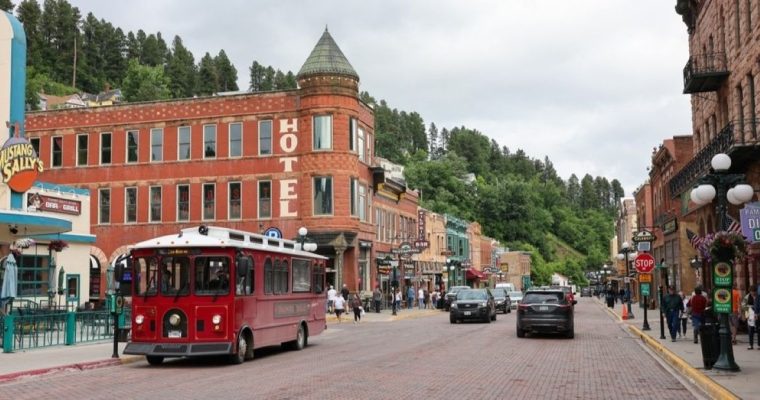
South Dakota’s Deadwood has asked lawmakers to change the complicated revenue formula that governs tax proceeds from legalized gambling in the city.
Senate Bill 102, which passed the state Senate and is awaiting a House vote, would reallocate more of a roughly $3 million annual pool to the city’s historic preservation fund and reduce the share routed to the state general fund and some local entities.
Since Deadwood gaming began in 1989, bettors have wagered about $32.6 billion, producing roughly $457.4 million in tax revenue. The city has received about $237.4 million for preservation and related projects.
At a Feb. 17 hearing, Deadwood historic preservation officer Kevin Kuchenbecker argued the city needs more stable funding for infrastructure and preservation.
“Restoring Deadwood doesn’t happen overnight and there’s no end to it.”
State economist Derek Johnson warned the shift would lower long-term receipts for the state general fund.
More tourism helps the whole state
For most players, the change is unlikely to affect day‑to‑day play or odds. Tax allocation shifts don’t directly change house edge or operator payout policies.
However, there are practical and market implications operators and bettors should note:
- Local investment and tourism: More money for Deadwood’s preservation and infrastructure could fund restorations, transportation, and attractions that draw additional visitors, potentially increasing foot traffic and gaming volume at local properties.
- Operator economics and competition: Operators in Deadwood may benefit from improved tourism amenities and marketing, but a long‑term reduction in the state general fund could prompt broader fiscal tradeoffs that affect regulatory budgets or incentives.
- Precedent for other jurisdictions: If passed, SB 102 may encourage other gaming towns to seek reallocation of receipts toward local projects, influencing where promotional and capital dollars flow in the US gaming market.
Overall, the change is more consequential for municipal budgets and tourism strategy than for immediate player outcomes.
SB 102 was headed to the South Dakota House for a final vote after Senate approval The state Bureau of Finance and Management supports the amended formula, which holds Deadwood’s revenues steady for two years before increasing the city’s take.
Based on reporting by Bart Pfankuch for South Dakota News Watch.