



 Share
Share 



State of Play’s TL;DR
- A South Carolina LLC has sued Dave & Buster’s, alleging its arcade “redemption” games amount to illegal gambling and seeking to recover customer losses under a centuries-old state statute.
- The suit targets three SC locations and could reshape how prize-based arcade games are treated under state law.
- The case highlights growing tension between family entertainment centers and regulators as courts weigh whether skill elements change a game’s legal status.
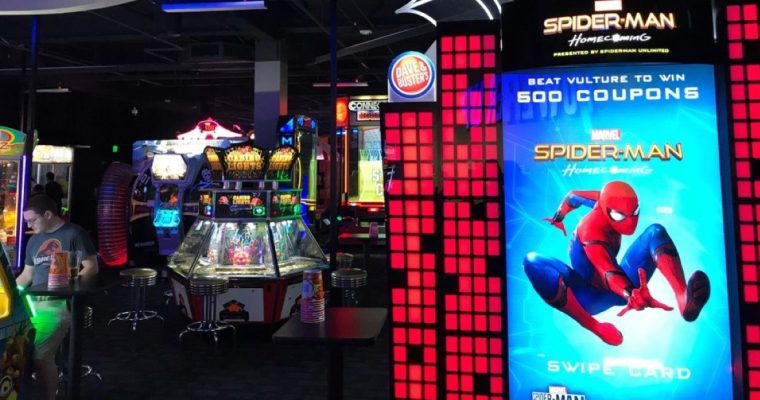
A South Carolina group, S.C. Citizens for Equal Enforcement of Gambling Laws LLC, filed suit in federal court alleging Dave & Buster’s operates an unlawful gambling business through its Midway arcade floors at Myrtle Beach, Columbia, and Greenville.
The complaint invokes South Carolina’s version of the so-called “Statute of Anne.” It lets a gambling loser recover losses of $50 or more if sued within three months. It also allows others to sue for triple damages if a direct suit wasn’t filed.
Attorney Jim Griffin, representing the plaintiff, said recent court rulings – notably Dragon’s Ascent Video Gaming Mach. v. S.C. Law Enf’t Div. – and a lack of legislative clarity have muddied enforcement.
The suit asks the court to declare the redemption games illegal, force Dave & Buster’s to identify patron losses tracked via its Power Card system, and award triple damages, costs and fees. Dave & Buster’s declined to comment.
Suit claims prizes not worth money spent
The lawsuit raises two practical concerns: potential recovery of past losses and uncertainty about prize availability going forward.
If the court finds these redemption games meet South Carolina’s definition of gambling, players who spent $50 or more at a single sitting could become eligible for recovery – possibly triple damages – depending on whether they sued in time or a third party sues on their behalf.
Operators face increased liability, regulatory scrutiny, and potential changes to redemption mechanics. The complaint highlights a claimed 91.5% gross margin on entertainment revenue in fiscal 2024. It argues that prize value is far below money loaded onto Power Cards.
That math is central to the plaintiff’s claim that typical single-sitting losses exceed the statute’s $50 threshold. Retail arcade operators and national chains may need to alter game design, prize tables, or business models. They could lobby for clearer state legislation to avoid similar suits.
Based on reporting by Javon L. Harris for The State.