



 Share
Share 



State of Play’s TL;DR
- Tribal leaders are backing a state-tribal “hub-and-spoke” system to block out-of-state online platforms and protect tribal gaming revenue.
- This push, highlighted by Wisconsin’s Assembly Bill 601, aims to preserve tribal sovereignty and keep online betting governed at the state level rather than through federal loopholes.
Online platforms that market prediction markets and similar products operate under federal oversight, allowing them to reach consumers across state lines and sidestep state compacts that protect tribal exclusivity.
Tribal leaders, including Victor Rocha of the Indian Gaming Association, argue this is “a violation of states’ rights and tribal sovereignty.”
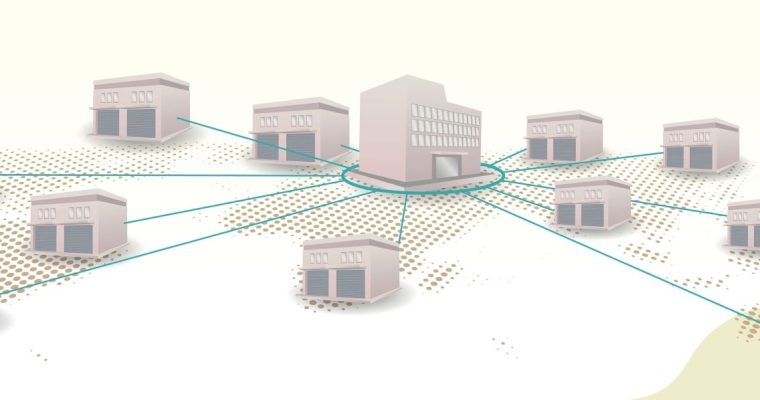
Tribes are pointing to the Seminole Tribe of Florida 2021 compact’s hub-and-spoke model, where a tribal casino hosts servers (the “hub”) and makes gaming available to devices (the “spokes”) within the state.
Wisconsin’s Assembly Bill 601 – advanced Feb. 19 – would let the state’s 11 federally recognized tribes adopt that model, allowing them to host and control online wagering within Wisconsin. Proponents such as Dominic Ortiz of Potawatomi Casino say the approach curbs offshore and unregulated operators while preserving tribal revenue streams and jobs.
Hub-and-spoke model protects consumers and tribes
A tribe-run hub-and-spoke system means online wagering offered through tribal infrastructure would be clearly regulated at the state level, potentially improving consumer protections, tax collection, and responsible gambling measures.
For operators, tribes would gain exclusive rights to offer mobile betting within state borders – reducing market share for out-of-state prediction platforms that currently exploit federal regulatory gaps.
Key practical outcomes:
- Consumers: Receive clearer legal frameworks and state-based oversight rather than patchy federal coverage; potential changes in app availability and geolocation enforcement.
- Tribes: Get protection of revenue that funds community services (language programs, elder care, infrastructure) and reinforcement of sovereignty.
- Operators & Regulators: See a likely shift in market dynamics as states consider compacts or legislation mirroring the Seminole model; continued legal and regulatory friction with entities arguing prediction markets are commodities.
Wisconsin’s Senate is expected to reconvene March 17 to advance consideration of the bill.
Based on reporting by Amelia Schafer for ICT News.