



 Share
Share 



State of Play
- Colorado plans to launch online lottery ticket sales by 2027 to boost funding for outdoor projects, while lawmakers are moving to block the change over addiction and credit card concerns.
- The proposal has the governors’ backing and Lottery officials argue it’s needed to meet capped funding commitments to groups like Great Outdoors Colorado.
The Colorado Lottery has announced plans to offer online sales of existing products – Lotto, Powerball, Mega Millions, and scratch tickets – by 2027 as part of a revenue push to support outdoor recreation and wildlife programs.
Lottery director Tom Seaver said online sales and easing a long‑standing ban on credit card purchases at retail would help the Lottery “keep growing in order to meet the needs of recipients.” Colorado Gov. Jared Polis’ office confirmed support for increased convenience and internet freedom.
A bipartisan group of legislators, however, have filed SB26‑117 to block online ticket sales and any change allowing credit card purchases, arguing consumers shouldn’t go into debt to play. Sen. Jeff Bridges warned online scratch games can “look and feel” like slot machines, and critics point to Michigan’s lottery titles as examples of games that resemble online casinos.
The Lottery says it will study other states, phase games in slowly, and design guardrails for responsible gambling before rolling out credit card payments.
Colorado Lottery tickets already available online
Online lottery sales would mean easier access and more convenience but also increased exposure to fast, app‑based play that addiction experts say mimics casino mechanics.
Jamie Glick of the Problem Gambling Coalition warned that bright, quick‑response digital games create a “stimulus‑reward loop” that raises addiction risk, while opponents note allowing credit cards is a major risk factor.
Operators and third‑party couriers (e.g., Lotto.com) are already selling tickets in Colorado; those services act like delivery platforms and charge convenience fees. Couriers say they attract incremental players and can coexist with state offerings, pointing to New Hampshire and West Virginia as examples.
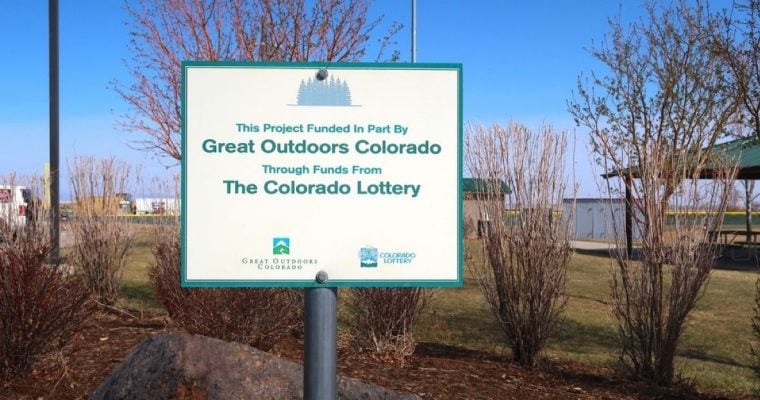
Financially, the Lottery argues online revenue is needed to meet capped distributions to Great Outdoors Colorado, the Conservation Trust Fund, and Colorado Parks and Wildlife. Conversely, casinos and anti‑iGaming groups fear a state‑sponsored online platform could pave the way to full online casinos, shifting market dynamics and prompting tighter regulatory scrutiny.
Based on reporting by Noelle Phillips for The Denver Post.