


 Share
Share 



The pressure on sweepstakes casinos is no longer coming one state at a time.
In just a matter of weeks, Oklahoma, Tennessee, Louisiana, and Iowa have all pushed anti-sweepstakes casino bills through their legislatures and sent them to their governors’ desks.
And lawmakers across the country are starting to treat sweepstakes casinos the way airports treat unattended luggage — with immediate suspicion.
The four bills are not identical, but they all share the same mission: shut down dual-currency sweepstakes casinos operating outside traditional gambling laws.
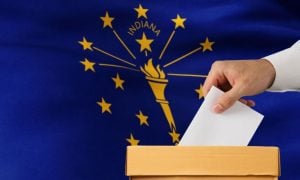
The states that have already succeeded in doing so include Montana, New York, California, Indiana, Connecticut, Idaho, Nevada, and Maine.
Oklahoma is redefining gambling as a felony
Oklahoma may have delivered the most aggressive bill of the bunch.
Senate Bill 1589 officially cleared the Oklahoma House on May 4 by a 65-21 vote after already passing the Senate unanimously in March. The bill was formally enrolled and sent to Gov. Kevin Stitt on May 5.
The proposal directly targets dual-currency sweepstakes casinos by expanding the definition of illegal gambling to include online casino games using virtual currencies redeemable for prizes or cash equivalents.
SB 1589 creates potential Class C2 felony penalties not just for operators, but also for:
- Gaming suppliers
- Platform providers
- Geolocation companies
- Payment processors
- Promoters and media affiliates supporting sweepstakes casinos
If signed, the law would take effect Nov. 1, 2026.
Tennessee’s zero-hour policy
SB 2136 and its companion HB 1885 moved through a conference committee agreement on April 23 before landing on Gov. Bill Lee’s desk.
Unlike Oklahoma, Tennessee is not offering operators much breathing room. If Lee signs the bill — or simply allows it to become law without action — the measure will take effect immediately.
Iowa is taking the ‘regulator power’ route
Senate File 2289 passed both legislative chambers unanimously and now sits on Gov. Kim Reynolds’ desk awaiting final approval.
Rather than focusing on criminal penalties, Iowa’s bill strengthens the enforcement authority of the Iowa Racing and Gaming Commission, including the ability to issue cease-and-desist orders and seek court injunctions against unlicensed gambling operators — including sweepstakes casinos and offshore sportsbooks. In other words, Iowa regulators are being handed a much bigger toolbox.
Louisiana’s final stand: Applying racketeering label
Louisiana’s anti-sweepstakes effort has been one of the more dramatic journeys in this national crackdown. The state has repeatedly revisited legislation targeting dual-currency casino models.
This time, HB 53 has been sent to Gov. Jeff Landry. The bill not only bans sweepstakes casinos but also classifies them under racketeering law, meaning illegal gambling activities — including sweepstakes operations — could be treated as organized criminal conduct rather than minor violations. The bill passed the House 86-11 and the Senate 27-9 before being enrolled and sent to the governor.
Penalties are severe, with up to 50 years in prison and fines reaching $1 million. This follows a previous veto by Landry on a direct ban bill, after which regulators issued 40 cease-and-desist orders. HB 53 now awaits his decision within 10 days; no action means it automatically becomes law.