


 Share
Share 



State of Play’s TL;DR
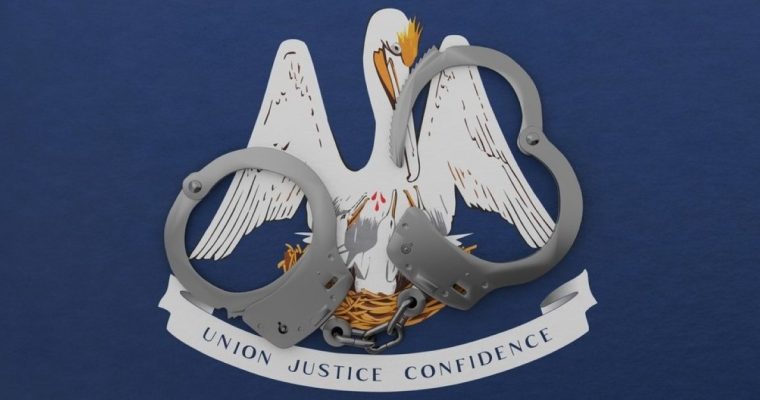
- Louisiana lawmakers have approved House Bill 53 to classify certain illegal online gambling – notably sweepstakes-style platforms – as racketeering.
- This change would expand prosecutors’ powers and raise the stakes for operators and intermediaries statewide.
- The proposal has national relevance because it signals tougher enforcement against unregulated platforms and could influence other states weighing similar crackdowns.
Louisiana’s House Bill 53 adds offenses such as gambling by computer and the use of electronic sweepstakes devices to the state’s racketeering statute.
Rather than treating violations as isolated misdemeanors, the bill allows prosecutors to pursue coordinated operations under racketeering laws – statutes typically used against organized criminal activity.
The move targets sweepstakes casinos that operate in legal “gray areas” and mimic traditional online casino wagering.
If enacted, the measure could let authorities charge multiple parties tied to a platform and treat each unlawful wager or transaction as a separate violation, exposing operators to steeper fines and potential prison terms.
The bill passed both houses of the Louisiana State Legislature and now awaits the governor’s signature into law.
Law could be model for other states
The immediate effect could be reduced access to sweepstakes-style platforms within Louisiana as operators reassess legal risk or pull services.
Operators and service providers – including payment processors, hosting firms, and affiliates – would face elevated enforcement exposure, larger financial penalties, and potential criminal liability if activities are pursued under racketeering statutes. That could accelerate market consolidation toward licensed, regulated operators and discourage new entrants.
Bettors should expect heightened takedowns, more blocking of unlicensed sites, and clearer messaging from state regulators about what’s permitted.
Nationally, the bill could serve as a blueprint for other states seeking tougher tools against unregulated online gambling, increasing cross‑jurisdictional cooperation and prosecutions.
Based on reporting by Quinn Allen for RG.