



 Share
Share 



State of Play’s TL;DR
- Wyoming’s new law narrows the friendly game exception, putting longstanding small-town poker nights under new scrutiny.
- The change targets bars and venues that turned social games into de facto commercial poker halls and has implications for players, dealers, and operators across the US.
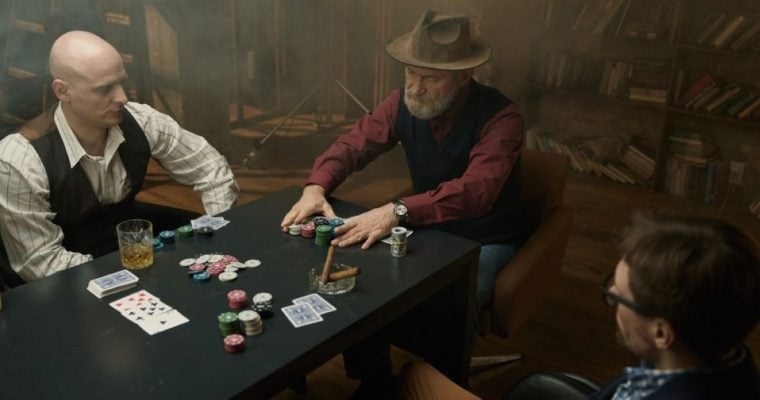
Wyoming Senate File 44 has become law in the Cowboy State. It closes a loophole that allowed some venues to host recurring, high-stakes poker games under the guise of private social play.
The statute now requires a legal private game to be incidental to a genuine social relationship – one where participants have “established knowledge of the other” and did not form the connection for gambling.
Regulators say venues were skimming profits and running organized poker halls. State Sen. John Kolb and Wyoming Gaming Commission director Nicholas Larramendy pushed the changes after investigators found large pots and commercial operations.
The law also:
- Bars any remuneration for facilitating a game (which raises questions about dealer tips)
- Prohibits advertising or public invitations
- Tightens the definition of who counts as a bona fide friend at the table.
The move also targets raffle-style contests like Queen of Hearts that have skirted charitable-gaming rules.
Operators can’t profit from holding games
For Wyoming players, the practical effects are immediate and concrete. Casual games like Yo’s Poker Palace – often held in bars where no rake is taken and dealers accept tips – now face legal risk if tips are deemed “remuneration” or if tourists and transient players are viewed as having joined for the purpose of gambling.
Operators and bar owners can no longer profit from hosting regular games. Any cut of the pot, rental fees tied to play, or overt advertising could invite enforcement.
Regulators say they are using education and cease-and-desist letters so far, not mass prosecutions, but the statute gives prosecutors more room to act.
Players and operators should note:
- Avoid advertising public games or maintaining blogs or posts inviting players.
- Do not collect rakes or fees, and be cautious about dealer tips in public venues.
- Prefer truly private games among established friends and document social relationships if needed.
The law could chill informal poker nights and push organized activity either underground or into licensed, regulated environments … or to online alternatives where legal in a player’s state.
Based on reporting by David Madison for Cowboy State Daily.