



 Share
Share 



State of Play’s TL;DR
- Primm’s once-busy casino corridor has largely faded as new California gaming options attracted the drive-in crowds.
- What was a quirky desert gambling stop now reads as a case study in how regional competition reshapes where Americans choose to play.
- Once home to three resorts, a roller coaster, and Bonnie and Clyde’s “death car,” Primm’s shift highlights the ongoing impact of convenience, promotions, and regional market expansion on player flows and casino strategy.
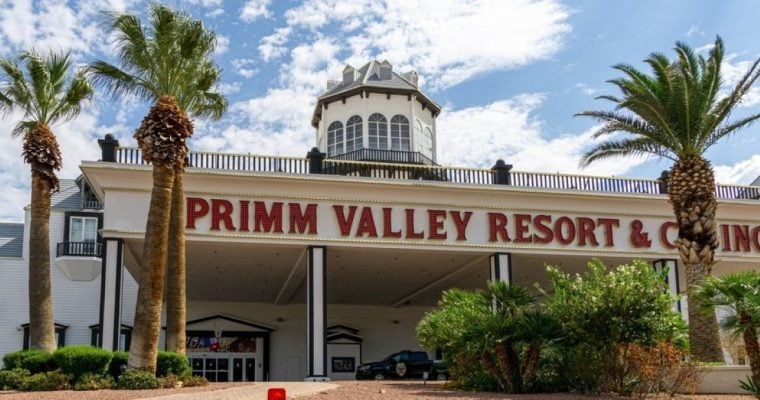
Primm, NV, on the Nevada-California border, used to be a small but lively gaming stop – “three bustling casino resorts, shiny gas stations, a roller coaster, and Bonnie and Clyde’s ‘death car,'” as a former visitor recalled.
The town’s identity relied on highway traffic and road-trip players drawn to a compact entertainment cluster in the desert. Over time, new casino development in nearby California cut into that customer base, drawing day‑trippers and regulars closer to home.
The result has been a scaled‑back feel and fewer travelers stopping for the classic Primm experience. As John Honell of West Covina put it:
“You had this whole complex in the middle of the desert.”
That snapshot captures both the town’s nostalgia and the tough economics of border‑town gaming when options multiply across state lines.
Loss of iconic destination
Primm’s story is practical: convenience wins. When newer California properties offered closer access, competitive promotions, and modern amenities, many players redirected their trips – reducing the need for long drives and overnight stays. That shift translates to fewer comps and promotions for border properties and forces operators to rethink value propositions.
Operators in small gateway towns face hard choices: Invest in renovations and unique attractions, cut costs, or pivot to digital outreach and targeted loyalty offers to retain customers.
For bettors, regional competition generally means better deals, but it can also mean the loss of iconic, destination‑style stops. The dynamic underscores how physical casino markets and player behavior interact – and why operators increasingly mix on‑site experiences with broader marketing and online strategies to capture displaced play.
Based on reporting by Andrew J. Campa for the Los Angeles Times.