How To Bet on Sports Online: Step-by-Step Guide
Learning how to bet on sports is simpler than you think. All you need to do is understand how it works, select a sportsbook, and commence play. So, how does sports betting work? Our sports betting guide walks you through the wagering process using clear explanations.
Best sports betting sites in your state
Up to $1,500 in Bonus Bets if Your First Bet Doesn't Win*
*Bonus Bets Expire in 7 Days. One New Customer Offer Only. Add’l terms. 21+ and present in OH. Gambling Problem? Call 1-800-GAMBLER
Use Bonus Code: BETPLAYUSA
Bet $5 Get $200 in Bonus Bets Win or Lose
30% Extra on Same Game Parlay Profit
T&Cs Apply. OH only. 21+. Gambling Problem? Call or text 1-800-GAMBLER
Use Bonus Code: Click to claim promo
Get $300
Bet $5, Get $300 in Bonus Bets if Your Bet Wins
Available on Desktop, Android & iOS
21+ and present in OH. Gambling Problem? Call 1-800-GAMBLER
To Claim: Click CLAIM OFFER
Get a First Bet Match up to $250 in Bonus Bets
Stream NFL Games In-App for Free
OH only. 21+.Gambling Problem? Call or text 1-800-GAMBLER
Use Promo Code: BESTBONUS250BM
Up to $2,000 in No Sweat Bets FanCash OR Choose Your Own Offer
Earn FanCash & Spend it on Team Swag or More Bets
New Customers Only. OH only. 21+. Gambling problem? Call 1-800-GAMBLER. T&Cs apply
To Claim: Click CLAIM OFFER
Bet $5 Get $300 in Bonus Bets if Your Bet Wins
PLUS up to $1,000 Deposit Bonus
To Claim: Click CLAIM OFFER
This page covers core concepts such as betting odds, wager types, and payment methods. By following this guide, you’ll learn how to place sports bets legally in the United States. And if you’re interested in more detailed guides to betting on popular spots, PlayUSA has dedicated pages for learning how to bet on the NFL and more.
Quick Start: The betting process
This six-step sports betting guide outlines the whole process for placing sports bets online. While individual sportsbooks may vary, the same basic steps apply across all licensed US betting platforms.
Check whether sports betting is legal in your state.
Before learning how to bet online, ensure that sports betting is legal in your location. Each state has its own regulations, so confirm if you are legally allowed to wager.
You can find the information you need by visiting PlayUSA’s home page. Next, search for your state to learn the legal status of sports betting. For example, bettors in Missouri will find the information they need on this page.
If sports betting is not yet legal in your state, you will be unable to access any operators. This restriction applies even if you have set up an account in a legal state before changing locations.
Choose a legal sportsbook.
Choosing a regulated sportsbook is the next step after confirming its legality. Once you understand how to bet on sports, look for sportsbooks that have:
- Competitive odds
- Reliable payment methods
- Mobile apps that work well
- Responsive customer service
Using multiple sportsbooks is also encouraged. Doing this can help you uncover better lines and compare odds over time.
Create an account and verify your identity (KYC).
To place an online bet, you’ll need to set up an account and complete KYC (Know Your Customer) verification. This step is crucial because it helps betting operations verify your identity, address, and age. Sportsbooks might ask for:
- Your full name and address
- Date of birth
- The last four numbers of your Social Security number
- Government-issued ID
This step helps stop money laundering, underage gaming, and fraud. Although this step might feel intrusive, it’s a standard practice for legally betting online in the US.
Enable location services (geolocation).
Betting apps use geolocation technology to make sure you truly reside in a legal state. To comply with this requirement, you must:
- Turn on location services on your device
- Ensure the sportsbook’s geolocation plugin or app functions correctly.
- You have to do this every time you place a wager, not just when you sign up.
After verification, you should be clear to claim any sports betting bonus that’s connected to your new account.
Deposit money into your account.
Funding your sportsbook account is crucial if you wish to place any wagers. Most sportsbooks allow you to deposit using a variety of payment options. Some of which include debit cards, ACH transfer, PayPal, or online banking. Generally, deposits are instant, so you should have access to your funds within a short period.
Place Your Bet, Track It, and Withdraw Winnings
The next step to follow in this sports betting guide is to place a bet. So look at the lineup of games on offer and select matchups you would like to wager on.
Pick the markets, recheck the odds, and place your bets. Your bet is locked in once you choose a game and confirm it. You simply monitor the wager in your account until the event ends and the sportsbook finalizes the bet.
Once the outcome is confirmed, the sportsbook updates your account accordingly. If the bet wins, the operator credits your account with the payout. To receive your wins, you typically need to use the same payment method you used for your deposits. Also, for first-time withdrawals, you may be required to verify your identity. This final step completes the entire process of betting on sports online.
How does sports betting work?
If you really want to answer this question: how does sports betting work, you must learn what’s going on behind the scenes. Betting may seem easy, but sportsbooks employ structured processes to set prices and manage risks effectively.
What is a sportsbook, betting market, and betting line?
A sportsbook is a platform that connects betting operators with bettors. The operators set the odds, while players wager on the available markets on the platform. Each available wager is called a betting market. The betting line is the price connected to each betting market.
A single game, for instance, may have several markets:
- Moneyline (who wins)
- Point spread (the difference between the two teams’ scores)
- Totals (combined score)
This framework is essential to understanding how sports betting works. It helps you identify betting markets that best serve your needs.
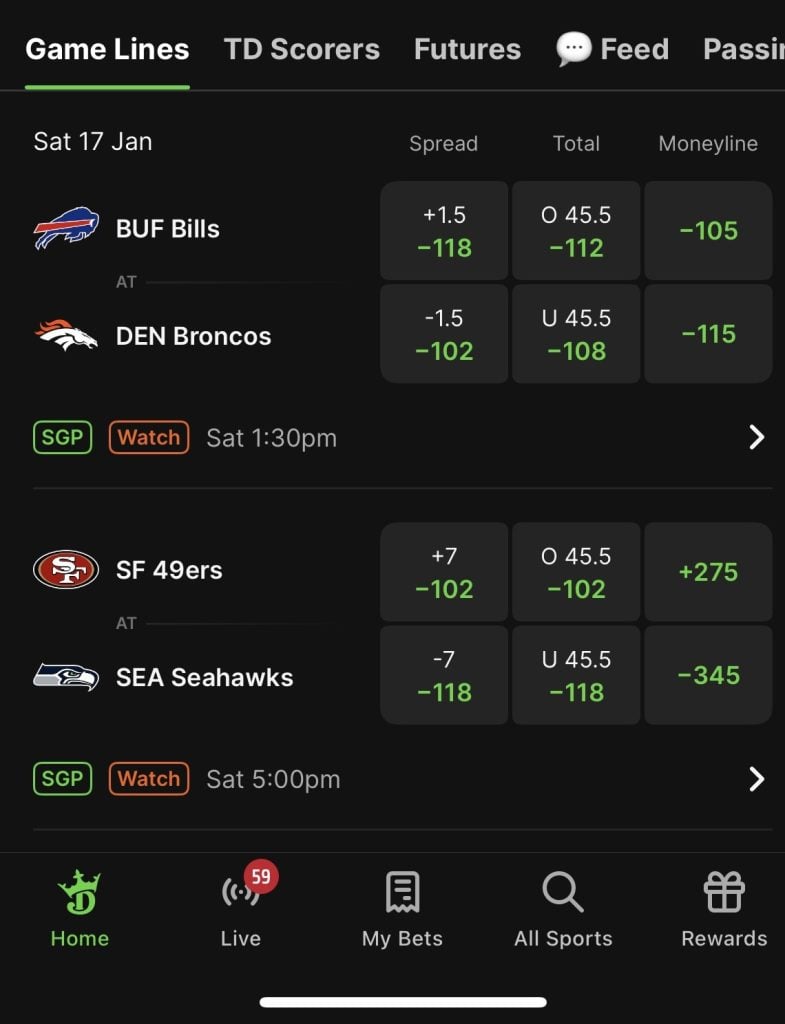
Favorites vs. Underdogs
Most betting markets label one team as the favorite and the other as the underdog. The favorite is typically the stronger team and more likely to win, which is why it is assigned lower odds. The underdog is considered the weaker side and is given higher odds as a result.
For example:
- Favorite: -150
- Underdog: +130
Vig / Juice Explained
The vig, often called juice, is the sportsbook’s built-in fee. A typical example is when both sides of a bet have -110 odds.
At these odds, a bettor must win about 52.4% of wagers to break even. This built-in margin gives sportsbooks a long-term advantage. It also highlights the importance of realistic expectations and proper bankroll management when wagering.
What Happens When You Win, Lose, or Push?
There are usually three likely outcomes when you place a bet. You either:
- Win: You get your bet back plus some profit
- Lose: You lose your stake
- Push: The bet is refunded if the result lands precisely on the betting line.
Knowing these results makes it easier to gamble online safely.
How to read sports betting odds (made simple)
One of the most crucial things to know when learning how to bet on sports online is to understand how to read odds. Betting odds tell you two things at once:
- The likelihood of a result occurring
- The value of your potential wins if your bet is correct.
The whole betting process is considerably easier to follow once you know how odds work.
American odds
American odds, which have a plus (+) or minus (–) symbol, are commonly used by sportsbooks in the US. These odds show you how much you can win or lose based on a $100 stake.
Negative odds, such as -150, indicate that the team is the favorite. The number tells you how much you need to bet to win $100. Positive odds, like +200, represent how much you would win on a $100 wager for the underdog.
This format is visible for moneylines, spreads, and totals, and understanding it makes reading betting markets much easier. Anyone learning how to bet online will find reading a betting screen less intimidating once they understand American odds.
What does -110 mean?
A -110 line is one of the most prevalent pricing methods in betting. Especially for point spreads and over/under bets, meaning you have to put out $110 to make a $100 profit.
For instance, if you bet $110 at -110 odds and win, you will receive a total of $210. Simply put, you receive your original $110 stake, plus $100 in profits. However, if the game loses, you lose the whole $110.
This price includes the sportsbook’s commission, which is a crucial concept to understand in any sports betting guide. Understanding what -110 means will help new bettors set realistic expectations as they learn to bet on sports.
Implied probability
Every betting line shows an implied probability, which indicates the sportsbook’s estimate of the likelihood of an outcome. Changing odds into probabilities might help you understand how sports betting works behind the scenes.
The implied chance is roughly $52.4 at -110. That means you would have to win more than half of your bets at this price not to lose any money. At +3200, the chase is about 33.3%
While beginners do not need to figure out the odds all the time, knowing this will help you understand why odds matter. It also enables you to understand why sportsbooks always have an edge in the betting process.
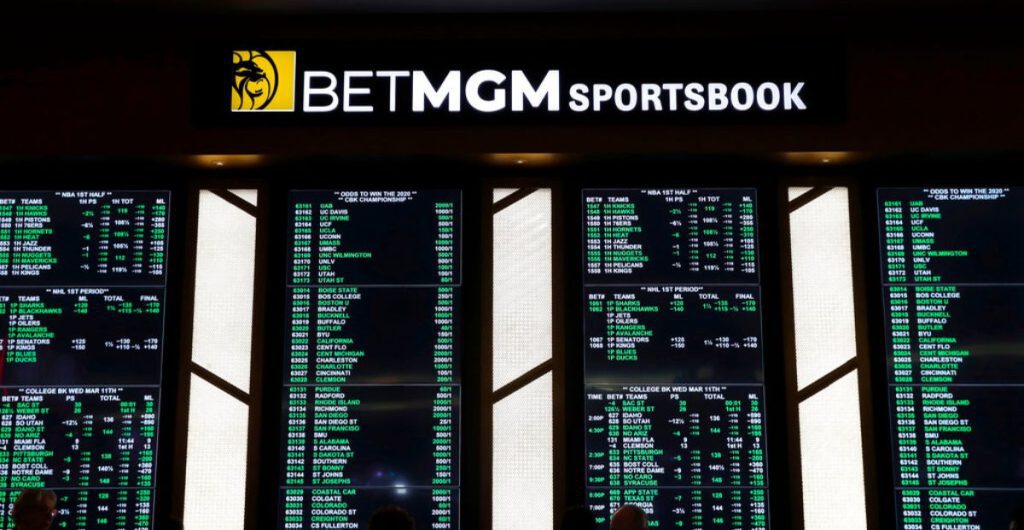
Decimal and fractional odds
Some sportsbooks display odds in decimal or fractional form, especially those outside the US. Decimal odds represent the total amount you will win, including your bet. For instance, if you bet $100 at odds of 2.00, you will get $200 back.
Fractional odds, like 5/2, represent how much you can win based on your wager. These formats may appear differently, but they always represent the exact underlying probabilities as American odds.
When you learn how to bet online, you can come across several forms. The most essential thing to remember is that the odds always show the risk versus the reward.
Odds movement and line shopping
Betting odds are not fixed and can change based on factors such as injuries, betting activity, and weather conditions. These adjustments are known as line movement. For example, a point spread may shift from -3 to -3.5, or the odds may move from -110 to -115.
Over time, comparing odds across multiple sportsbooks can help bettors secure better pricing. While this does not guarantee profits, it is a standard practice for understanding how sports betting markets operate.
Types of sports betting explained
As you learn how to bet on sports, it’s essential to know the many types of wagers. Sportsbooks pack dozens of betting choices into each game, but every wager traces back to a small set of basic bet types. It becomes easier to understand how to bet online if you know how each bet works.
Moneyline bets
The simplest type of bet in sports betting is a moneyline bet. You are betting on which team or player will win the game without any point spreads.
For instance:
- Team A: -150
- Team B: +130
If you bet on Team A at -150, you have to put up $150 to win $100. If you bet on Team B at +130, you would win $130 if you bet $100. The favorite has a lower chance of winning, so it has a lower potential payout. The underdog has a greater chance of winning, so it has a higher potential payoff.
Beginners often start with moneyline bets as they learn how to bet online, since the outcome is clear: win or lose.
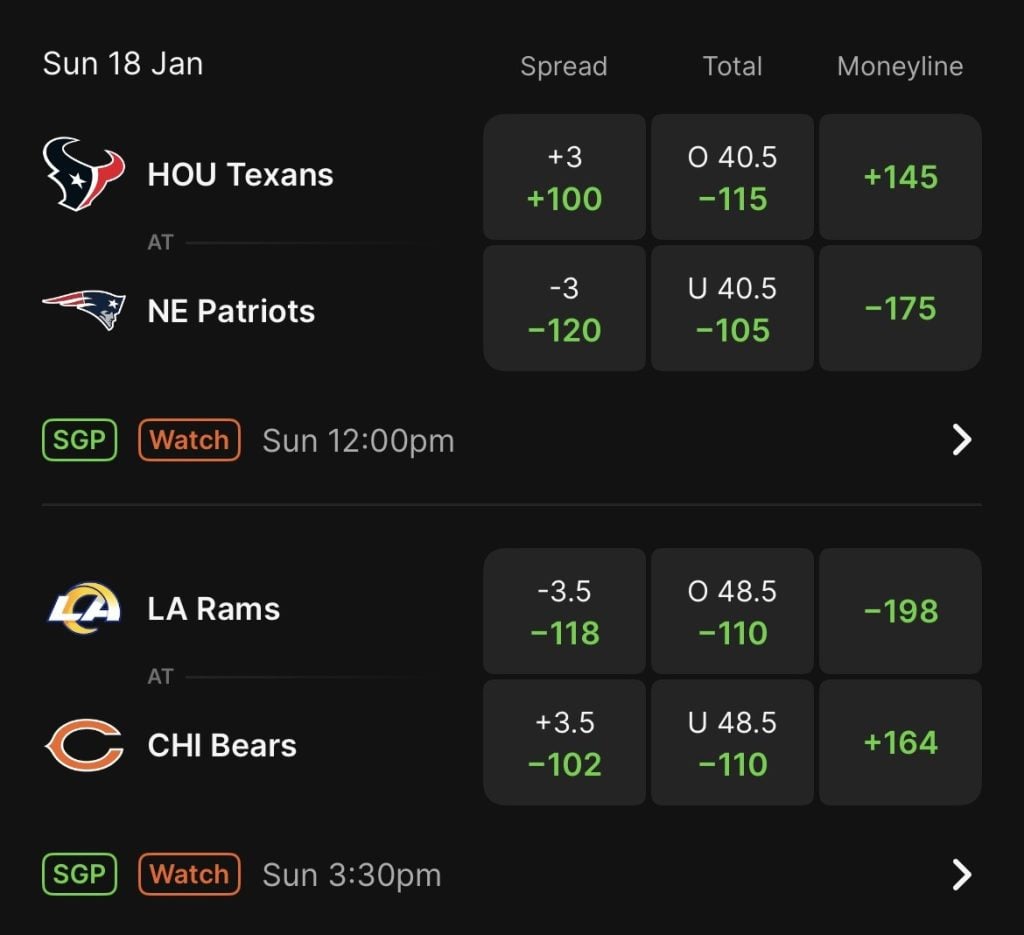
Points spread bets
Point spread betting gives the favorite a handicap to make up for variations in team strength. To cash a spread bet, the favored team must win by a margin greater than the assigned point spread.
The underdog, however, can either lose by fewer points than the spread or win the game outright and still cover the wager.
For instance:
- Team A: -6.5
- Team B: +6.5
If you bet on Team A, they have to win by at least seven points. If you wager on Team B, they can either lose by six points or less or win the game outright. In this case, there can’t be a tie because of the half-point (.5).
Point spreads are a significant aspect of understanding how to wager on football and basketball.
Totals (over/under bets)
As its name suggests, this bet type focuses on the total score of both teams, not who wins. The sportsbook sets a number, and bettors decide whether the final score will be higher or lower than that amount.
For example:
- Total: 47.5 points
The over wins if the final score is 28–21 (49 points). The under wins if the final score is 24–20 (44 points). To prevent ties, totals often have a half-point, just like point spreads.
Totals are popular among beginners learning how to bet online because they don’t have to choose a side.
Parlays
Parlays combine multiple bets into a single wager. To win a parlay, every selection must be correct, but the potential payout is higher than placing each bet separately.
For example:
- Team A moneyline
- Team B +3.5 spread
- Over 44.5 total
The parlay wins if all three bets win. The whole parlay loses if even one bet loses. Because of this, parlays are riskier even though they pay out more.
Parlays are available in almost all sports and are a popular choice for newcomers learning how to bet on sports online.
Same-game parlays
You can combine several bets from the same event into one stake with same-game parlays. These bets could be on a team to win, the total to go over, or a person to score.
For example:
- Team A to win
- Over 48.5 points
- Quarterback to throw 2+ touchdowns
All selections must be correct for the bet to win. Sportsbooks carefully set the odds for same-game parlays to reflect their higher risk because the outcomes are linked. Most sportsbook apps offer a wide range of same-game parlays.
Prop bets (proposition bets)
Rather than focusing on the final score, prop bets center on specific events that occur during a game. These wagers may relate to an individual player’s performance or a team’s overall output.
Examples include:
- A quarterback throwing over 275.5 yards
- A basketball player scoring 25+ points
- A team scoring first
Prop bets are prevalent in most major sports, enabling individuals to wager on specific players or events. They are a significant part of modern sports betting guides and are particularly popular during top-tier events.
Future bets
Futures bets are bets on things that will happen in the future, usually weeks or months later. These bets remain open for a long time and typically offer better odds because they are uncertain.
Examples include:
- A team winning a championship
- A player winning the MVP
- A team making the playoffs
Futures bets work differently from single-game bets since they lock up money for a long time. When studying how to bet on sports, it’s crucial to understand this timing variation.
Live betting (In-game betting)
You can place bets while a game is going on via live betting. As the game progresses, injuries, points scored, and other factors affect the odds in real-time.
For example:
- Betting the next team to score
- Updated spreads after a touchdown
- Live totals adjusted as each team scores points
Live betting needs quicker decisions than pre-game betting because odds change quickly. It has become one of the most popular ways for consumers to bet on sports online, primarily through their phones.
How bets appear on a sportsbook
Sportsbooks group their betting options by market type on apps and websites. The primary options on offer include moneylines, spreads, and totals, with additional information such as props, parlays, and futures organized into expandable sections.
When learning how to bet online, it is essential to understand how different types of bets are categorized. Doing this will help you navigate the betting interface quickly and prevent confusion when placing a wager.
Although live betting is exciting, it is also fast-paced and needs discipline. If you are new to online sports betting, it is best to learn the basics of how to bet on sports online. You must also understand how to manage risks as you place your wagers.
How to place a bet online (bet slip walkthrough)
After you learn the principles of betting, the next step is to learn how to use a sportsbook app or website to place a bet online. Even though the layouts of different sportsbooks are a little different, the process of placing a bet is almost the same on all of them.
This section of our sports betting guide walks you through every step of the betting process, so you know what to expect when placing bets online.
Finding the game you wish to bet on is the first step in learning how to bet on sports online. Sportsbooks organize events by sport, league, and start time. As a result, it is easier for players to find games or look for a specific matchup.
You can see a list of betting markets when you choose a game. These usually contain moneylines, point spreads, totals, and a variety of other options, such as prop bets or alternate lines. The odds shown in each market indicate the cost of that bet at the time.
Choosing the right market is essential since it tells you what you’re betting on. This state will help you understand how sports betting works before you put real money on the line.
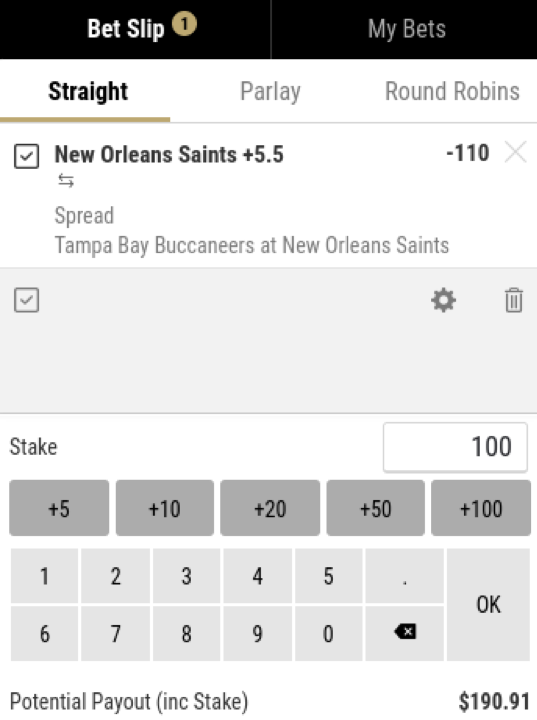
Adding a selection to the slip
When you click or tap the odds after selecting a betting market, that selection will appear on your bet slip. The bet slip is like a digital shopping cart that shows you a summary of your wagers.
You will notice the following in the bet slip:
- The selected game and market
- The odds attached to the wager
- A field to enter your stake
When you enter a sum, the bet slip automatically figures out how much you could win and how much you would get back. This way, people who are just starting can easily understand how to bet online without needing to perform any manual calculations.
The bet slip will change to represent a parlay or combination bet if you add more than one pick. It will also show the updated payment amounts.
Confirming the Wager
It’s vital to verify the information on the bet slip before placing a wager. This step involves verifying that the team, market, odds, and stake amount are all accurate. Most of the time, you can’t change or cancel a wager once you’ve placed it.
Sometimes the odds change between when you add a bet and when you try to place it. If this happens, the sportsbook will ask you to accept the new odds before it confirms the bet.
Confirming the bet makes it official and finishes the placing part of the betting process. At this moment, the bet is live and depends on the event’s outcome.
Tracking bets and settlement timing
Once you’ve placed a bet, it will show up in your list of current or open bets. You can keep an eye on the bet’s status while the game is in progress or wait for the outcome.
After the event is over, the bookmaker pays out the bet. The time of settlement depends on the market:
- Most straight bets settle shortly after the game ends
- Some bets require official statistics or reviews before settling
If you win a bet, the money will automatically appear in your account balance. If you understand this step, you’ll know how to bet on sports online from beginning to end.
Cash out explained
Some bookmakers let bettors cash out, which means they can settle a bet before the event is over. If the cash-out option is available, it provides a value that indicates how the bet is performing at the moment.
If you cash out early, you are guaranteed to get a result. However, the total return is less than if you let the bet play out. This function is not always available and may not work during certain game stages or for specific markets.
Not every bettor uses the cash-out function. However, understanding how it works is essential for learning how to place a bet online and use modern sportsbook services.
Payments: Deposits, withdrawals, and payout tips
A significant part of learning how to bet is understanding how payments work. Legal sportsbooks have restrictions about how to deposit money, withdraw winnings, and figure out when payouts will happen. Knowing what to expect can help you avoid confusion and delays when you place a bet during the betting process.
Sports betting deposit methods
You need to deposit money into your sportsbook account before you can place a bet. Most legal sportsbooks provide multiple options so that you may choose the one that works best for you and your bank. Debit cards, bank transfers, online banking, and digital wallets are all standard methods for making deposits.
Limits, processing times, and eligibility restrictions may vary per payment type. Most deposits reflect instantly, allowing players to place bets right away. Other deposits may take longer to clear. There may be different minimum and maximum deposit amounts for each way.
When you learn how to bet on sports online, you should know that you can use your deposit money right away. However, you might not be able to withdraw your funds until you meet specific requirements. This difference helps explain why the money you deposit and the money you can withdraw are sometimes different.
Withdrawals and verification holds
Many new bettors want to know how to withdraw their profits. The withdrawal process is straightforward, but it may require identity verification.
Before a withdrawal is accepted, sportsbooks may ask for:
- Identity verification or document confirmation
- Matching the withdrawal method to the deposit method
- Review of account activity for compliance
These standard verification holds help stop fraud, underage gaming, and unauthorized transactions. Depending on the payment method and verification status, withdrawal times may vary. Some methods are faster than others.
It is crucial to understand this if you seek to correctly answer the question of how sports betting works.
Security and customer support
Legal sportsbooks safeguard users’ personal and financial information through security measures such as encryption, identity verification, and account monitoring. These safety measures are in place at every step of the betting process, from depositing to withdrawing.
If you encounter any issues, such as withdrawals taking too long, payment errors, or problems accessing your account, sportsbooks provide customer service through live chat, email, or phone. Contacting support is often the quickest way to obtain answers to payment-related questions.
Understanding how payments, security, and support work together helps you bet online safely and with confidence.
Responsible sports betting (Must-read for beginners)
You need to know how to bet responsibly if you want to learn how to bet on sports online. Responsible sports betting involves being aware of your limits, maintaining control, and keeping betting fun rather than a financial risk.
Bankroll management and betting units
Bankroll management involves setting aside a specific amount of money solely for betting and never exceeding that amount. You should be able to lose this money without it affecting your daily spending.
Many new bettors utilize betting units to manage their risk. A unit is a modest portion of your bankroll, typically ranging from 1% to 3%, that you allocate as a regular stake amount.
Using the same units helps people who bet stay organized and avoid making bets that are too big.
Knowing how to manage your bankroll is a crucial component of learning how to bet, especially for new players to online betting.
Avoid chase betting
When bettors try to get their money back soon after losing, they begin to ‘chase losses’ by raising the amount they bet or making bets on impulse. This kind of behaviour typically leads ot greater losses and poor decisions.
You can’t always correctly predict the outcomes of your bets, and losing is a standard part of sports wagering. Bettors can stay disciplined and avoid making emotional betting decisions when they learn how to bet online, provided they accept this fact.
Responsible gambling tools and getting help
Legal sportsbooks provide responsible online gambling tools such as deposit limits, time limits, cooling-off periods, and self-exclusion options. These features help bettors manage their activity and stay within safe betting boundaries.
It’s essential to seek help if gaming becomes a source of stress, financial difficulties, or a loss of control over your life. Knowing when to take a break or quit betting altogether is part of being a responsible bettor. If you are ever in doubt about which is the best place to bet online, check whether they offer responsible gambling tools.
Frequently Asked Questions: Sports Betting Basics
To bet on sports, you must speculate what will happen and then place a bet at odds provided by a sportsbook. The bettor wins if the forecast is correct; get it wrong, and you lose your wager.
This is different from making sports picks at prediction sites because sportsbooks have a “house” that sets all the lines. Sites like Kalshi set contract prices based on how users are buying, more like a stock exchange.
Verify that it’s legal, create an account, deposit money, select a game and market, confirm the bet, and wait for it to settle.
Plus odds show how much you could earn if you bet $100. Minus odds tell you how much you need to bet to win $100.
If you bet on a -110 line, you may lose $110 to win $100. People often utilize it for over/under and spread bets.
Moneylines, point spreads, totals, parlays, prop bets, futures, and live bets are all common types of bets.
A moneyline bet is a bet on which team or person will win the game without any point spread.
To balance the matchup, the point spread gives one team a handicap, requiring the favorite to win by more than the listed number.
Over/under betting involves wagering on whether the final score will be above or below a predetermined number.
A parlay is a single bet that includes more than one stake. For the parlay to pay off, all of the picks must win.
Pick a game, a betting market, and a stake in the bet slip. Then review the specifics and confirm the bet.
Meet our team